Plan Smarter with the 2025–2026 School Calendar Booklet from Bee Cave Orthodontics

25-BeeCave-069-School Calendar Booklet beecaveortho.com

At Bee Cave Orthodontics, we know how busy life can get for families in Austin, Bee Cave, and Round Rock. Between school, sports, family trips, and orthodontic appointments, it can feel like there are never enough hours in the day. That’s why we’ve created something special to help parents stay organized while also learning more about how we care for our patients: our free 2025–2026 School Calendar Booklet.

  Download 2025-26 Austin/Round Rock School Calendar

All the Austin and Round Rock School Calendars in One Place

Our downloadable PDF booklet pulls together the official school calendars for districts across Central Texas, including Austin ISD and Round Rock ISD. With all the important dates—first and last days of school, holidays, and breaks—conveniently in one spot, you’ll be able to plan ahead with ease. Whether you’re scheduling family vacations, sports tournaments, or orthodontic visits, this resource keeps everything clear and stress-free.

More Than a Calendar—A Guide to Better Orthodontic Care

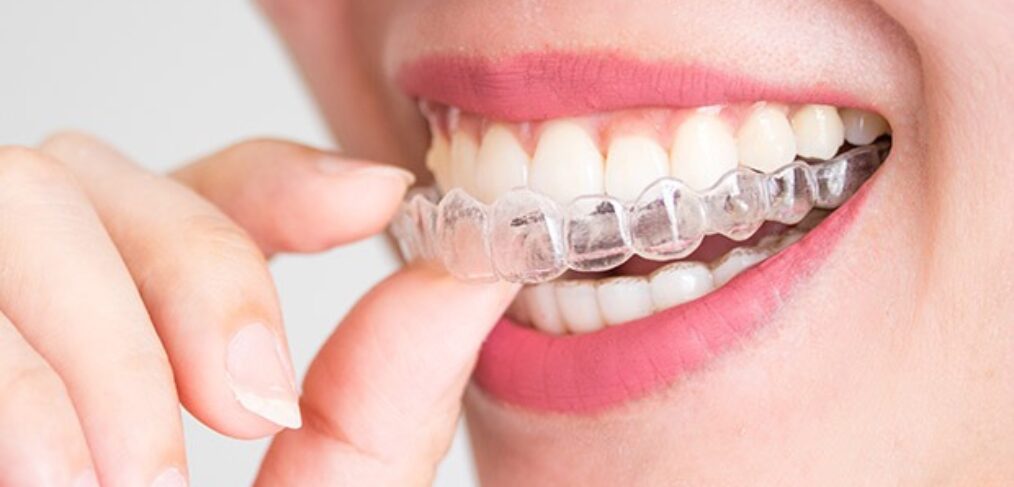
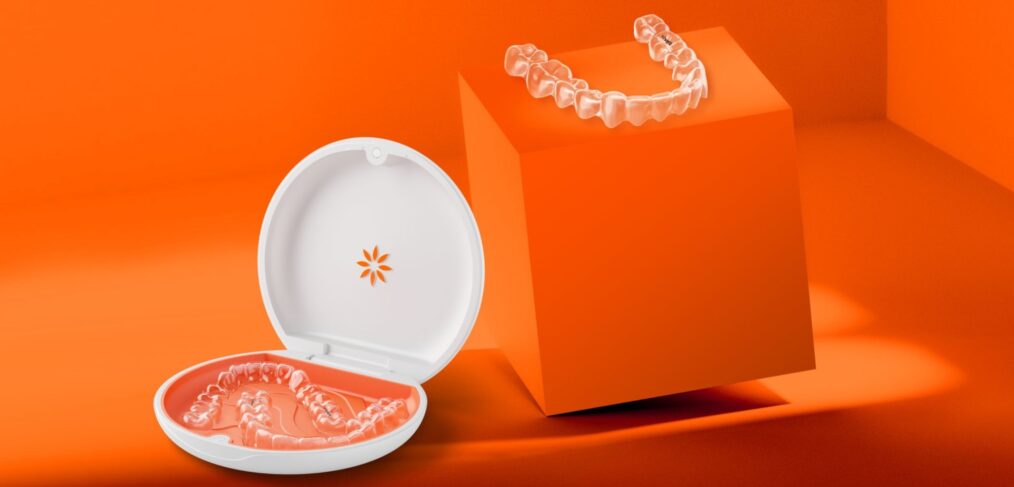
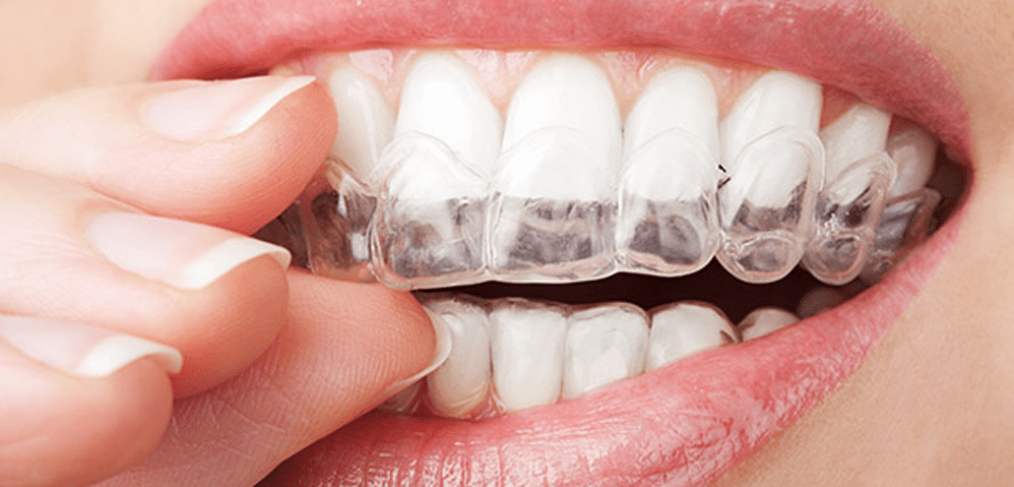
Inside the booklet, you’ll also find a guide to the advanced technology we use every day at Bee Cave Orthodontics. From digital impressions that replace messy molds to 3D treatment planning and customized Invisalign® aligners, we invest in the latest tools to make your orthodontic experience more comfortable, efficient, and precise. Our patients love that technology shortens their time in the chair and helps deliver beautiful, confident smiles faster.

Why Families Across Central Texas Choose Bee Cave Orthodontics

Families from Bee Cave, Lakeway, Dripping Springs, Austin, and Round Rock trust Dr. Da Silveira and our team because we combine modern technology with warm, personalized care. We make it easy to schedule around school breaks, offer bilingual support in Spanish and Portuguese, and always put your family’s comfort first.

Download Your Free School Calendar Booklet Today

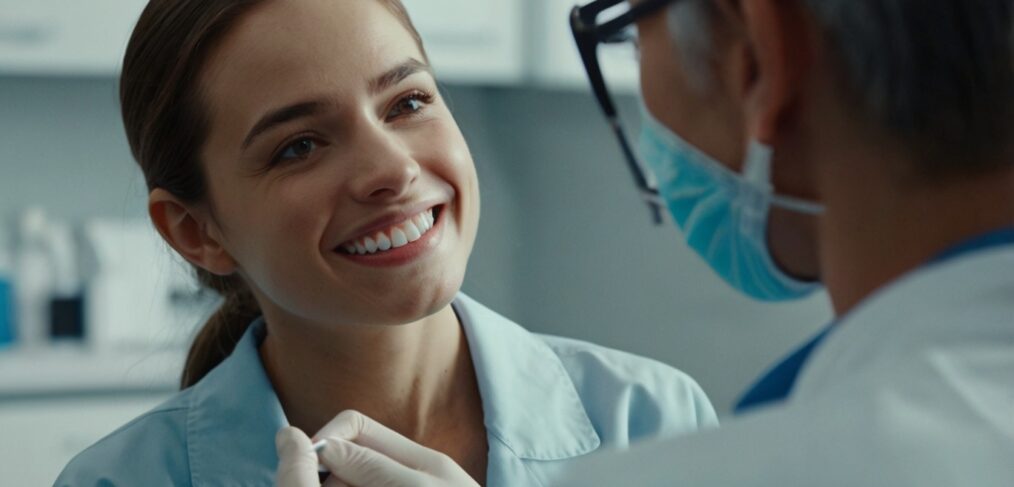
Don’t juggle multiple district websites or dig through emails for school dates—make your life easier with our free 2025–2026 School Calendar Booklet. While you’re planning your school year, consider scheduling a complimentary orthodontic consultation with Bee Cave Orthodontics. With advanced technology, flexible scheduling, and a family-focused approach, we’re here to make sure your smile fits perfectly into your busy calendar.

Lower Jaw Tumor

Lower Jaw Tumor: Sophia’s Inspiring Orthodontic Journey


Lower Jaw Tumor: After jaw reconstruction surgery from a tumor, Sophia transformed her life through orthodontics and is now pursuing her dream of becoming a dentist. – Bee Cave Orthodontics – Austin, Texas

The Diagnosis

At the age of 10, Sophia was diagnosed with a tumor in her lower jaw (mandible). This type of condition can severely affect vital functions such as chewing, speaking, and even breathing. Her medical team quickly realized that she would need highly complex surgical interventions to restore her health and quality of life.


Reconstructive Surgeries

Over the span of two years, Sophia underwent two major reconstructive surgeries. The most significant was a fibula flap procedure, in which a portion of her leg bone (fibula) was transplanted to rebuild her mandible.

  • Surgeons also repositioned blood vessels and tissue to ensure the bone graft remained healthy and functional.

  • Plates and screws were used to secure the reconstruction, providing stability for her jaw.

This process laid the foundation for her recovery but required ongoing orthodontic support to achieve both function and aesthetics.


Lower Jaw TumorLower Jaw Tumor


The Role of Orthodontics

After her surgeries, Sophia’s care didn’t stop in the operating room. Orthodontics played a crucial role in helping her regain function and confidence. With the expertise of Dr. Da Silveira at Bee Cave Orthodontics, her treatment plan included braces, Invisalign, and carefully staged adjustments.

The orthodontic treatment focused on:

  • Supporting surgical recovery by aligning her bite with the reconstructed jaw.

  • Restoring proper function,

  •  ensuring she could chew and speak comfortably.

  • Boosting confidence, showing her that even after trauma, her smile could be both healthy and beautiful.

    Lower Jaw Tumor


A Decade of Care

Sophia’s orthodontic journey spanned nearly 10 years. Each phase required adaptations to the unique challenges of her reconstructed mandible. The team balanced:

  • Functionality – making sure her bite was stable.

  • Aesthetics – ensuring a harmonious smile.

  • Long-term health – protecting the integrity of the reconstructed jaw.

Through persistence and teamwork between surgeons, orthodontists, and Sophia herself, she achieved remarkable results.


A Smile That Represents Resilience

The outcome was not only a well-aligned, beautiful smile but also a powerful symbol of strength and perseverance. Every appointment, every adjustment, and every challenge overcame helped shape her resilience and inspired those around her.


From Patient to Future Dentist

What makes Sophia’s story even more inspiring is the path she chose afterward. Motivated by her own experience as a patient, Sophia decided to pursue a career in dentistry.

This summer, she interned at Bee Cave Orthodontics, stepping into the office not as a patient but as part of the team. Her empathy and unique perspective allowed her to connect with others in a way only someone who has lived through the process can.

She also completed an internship at Dell Children’s, broadening her experience and further solidifying her decision to become a dentist.


Key Takeaways from Sophia’s Journey

  • Resilience creates purpose. A medical challenge became the foundation for her dream career.

  • Orthodontics goes beyond aesthetics. It restores health, function, and confidence.

  • Patients can become future leaders. Sophia’s journey proves that personal challenges can inspire professional passion.


A Bright Future Ahead

Sophia’s journey, from a little girl facing a tumor to a young woman preparing for dental school, is a true testament to courage, medical teamwork, and the transformative power of orthodontics. Her story will continue to inspire patients and professionals alike.

At Bee Cave Orthodontics, we are proud to have been part of her journey — and we can’t wait to see the lives she will transform in the future as a dentist.


Schedule a Free Consultation Today!

Do you know someone who could benefit from orthodontic care after surgery or who simply wants to achieve a healthier, more confident smile? At Bee Cave Orthodontics, Dr. D and our team combine expertise, compassion, and advanced technology to provide personalized treatments for patients of all ages.

👉Schedule a Free Consultation with Dr. D now !

Want to get to know us a little better? Check out our YouTube Videos!

Teeth Coming in Crooked

Why Are My Child’s Teeth Coming in Crooked?

Why are my child’s teeth coming in crooked? Discover expert insights from Dr. D on the causes, when to worry, and how early intervention can help guide a healthier smile.- Bee Cave Orthodontics – Austin, Texas

Understanding the Causes and What You Can Do Early

As a parent, noticing that your child’s teeth are coming in crooked can bring up a lot of questions and concerns. Is it just temporary? Is it genetic? Will it fix itself?

Dr. D, a trusted Invisalign speaker and orthodontic specialist known for her gentle care, smart tech approach, and experience with children of all needs, including those with sensory sensitivities, is here to help you understand what’s normal, what to watch for, and when to take action.

Let’s explore the most common reasons why your child’s teeth might be coming in crooked, and what steps you can take early to support a healthy, confident smile.

Common Reasons for Crooked Teeth in Kids

1. Genetics

Just like eye color or height, the alignment of your child’s teeth can be inherited. If you or your partner had braces, there’s a good chance your child might need them too. Genetics influence jaw size, tooth size, and the way the teeth erupt.

2. Early Loss of Baby Teeth

Baby teeth act as placeholders for adult teeth. When a baby tooth is lost too early due to decay or injury, the surrounding teeth can drift into the empty space, causing the adult tooth to erupt misaligned or blocked.

3. Thumb Sucking or Pacifier Use

Habits like thumb sucking or pacifier use beyond age 3 can place pressure on the teeth and jaw, often leading to an open bite or protruding front teeth.

4. Tongue Thrusting or Mouth Breathing

Some kids develop oral habits such as pushing the tongue forward when swallowing or breathing through the mouth. These behaviors can influence jaw development and result in misalignment over time.

5. Lack of Space

Crowding is one of the most common causes of crooked teeth. If your child has a small jaw or large teeth, there may simply not be enough room for everything to come in straight.

6. Injuries or Trauma

A fall or bump to the face can damage the development of teeth or affect the way they grow in. Even minor injuries can sometimes shift baby teeth or affect the growth path of permanent ones.


Should I Be Concerned?

Not all crooked teeth require immediate treatment, but early evaluation is key. According to the American Association of Orthodontists, children should have their first orthodontic evaluation by age 7. This doesn’t mean they’ll get braces right away, but it allows the orthodontist to spot early signs of developing issues.

Dr. D often sees children as early as six or seven to track tooth eruption, jaw development, and oral habits. This proactive approach helps prevent more complex problems later on and allows her to use gentle, tech-supported methods to guide growth at just the right time.


How Dr. D Approaches Crooked Teeth in Kids

Dr. D believes in treating the whole child, not just the teeth. That’s why her office offers:

  • Personalized evaluations that consider your child’s unique needs

  • Experience with children who have autism, sensory sensitivities, or ADHD

  • A calm and supportive environment to reduce anxiety

  • Advanced 3D imaging and scanning tools for non-invasive assessments

  • Preventive strategies that help guide healthy development before braces are even needed

Many families feel comforted knowing that they don’t have to “wait and see.” With Dr. D’s guidance, they can understand what’s happening, and what’s next.


What You Can Do at Home

While genetics and development are out of your control, there are steps you can take to support your child’s dental health:

  • Encourage good oral hygiene from a young age

  • Limit pacifier use and discourage thumb sucking after age 2 or 3

  • Watch for signs of mouth breathing or tongue thrusting

  • Visit a pediatric dentist regularly

  • Schedule an early orthodontic screening around age 7


You’re Not Alone, and You’re Right to Ask

Many parents feel unsure when it comes to early orthodontic signs. That’s why Dr. D’s team is here to answer your questions, support your child, and create a clear plan that fits your family.

With her global experience as a speaker and her heartfelt work in the community, Dr. D combines innovation with compassion to help every child reach their full smile potential, specially those who need a little extra care.


Wondering if your child’s smile needs a closer look?

👉Schedule a Free Consultation with Dr. D now and get the answers you’ve been looking for with kindness, clarity and expert care.

Want to get to know us a little better? Check out our YouTube Videos!

Can I Eat with Invisalign

Can I Eat with Invisalign? Expert Advice from Dr. D

Can I eat with Invisalign? Discover expert tips from Dr. D, a global Invisalign speaker, on what to eat, what to avoid, and how to manage meals with confidence. – Bee Cave Orthodontics – Austin, Texas

Wearing Invisalign comes with a long list of benefits, but one of the most common questions patients ask is: Can I eat with Invisalign?

The short answer is yes, but with some essential guidelines. As a certified Invisalign speaker who has lectured globally and treated hundreds of patients, including many children and teens with special needs, Dr. D brings a wealth of experience to this topic.

Her approach is gentle, supported by smart technology, and trusted by doctors and families alike.

Whether you’re a parent navigating Invisalign for your child or an adult looking to improve your smile discreetly, here’s what you need to know about eating with Invisalign.

Do You Eat with Aligners In?

No. One of the key rules of Invisalign is that you should always remove your aligners before eating or drinking anything other than water. Eating with aligners in place can damage the trays and cause staining. Plus, food particles can get trapped between your teeth and the aligners, leading to plaque buildup and potential cavities.

Removing them may seem inconvenient at first, but it becomes second nature quickly, and the ability to eat without restrictions is one of Invisalign’s biggest advantages compared to braces.

What Can You Eat While Wearing Invisalign?

While you should not eat with aligners in, once you remove them, the sky’s the limit, sort of. Here are some Invisalign-friendly foods and pro tips from Dr. D:

✅ Invisalign Friendly Foods

  • Soft fruits like bananas, mangoes and seedless watermelon

  • Cooked vegetables such as carrots, broccoli and zucchini

  • Lean proteins like chicken, turkey and fish

  • Dairy such as cheese and yogurt

  • Whole grains like quinoa and oatmeal

  • Smoothies and soups (great for post-adjustment tenderness)

These foods are gentle on your teeth and reduce the chance of irritation when you reinsert your aligners.

❌ Foods to Be Cautious With

  • Sticky or chewy items like caramel and taffy

  • Hard or crunchy snacks like popcorn, raw carrots or ice

  • Highly pigmented foods and drinks (berries, curry, red wine) that may stain your teeth and affect aligner clarity

  • Sugary foods that leave residue and promote decay if not cleaned properly

Dr. D recommends brushing your teeth or rinsing your mouth with water after meals to avoid trapping any particles under the aligners.

School and Snacks: Tips for Parents

If your child is using Invisalign at school, you might be wondering how to handle snack time or lunch. Dr. D, who has extensive experience caring for children with sensory and developmental needs, suggests the following:

  • Pack Invisalign-safe snacks like apple slices (cut small), string cheese or soft granola bars

  • Send a small aligner case in their lunchbox so the trays don’t end up wrapped in napkins or lost

  • Encourage hydration — water is the only safe drink with aligners in place

  • Add a reminder note for your child to brush or rinse before putting their aligners back in

Children adapt faster than you might expect. With gentle guidance and a little routine, it becomes second nature.

Eating Out or On the Go

Eating out with Invisalign can be seamless with a little planning. Dr. D recommends:

  • Always carry your aligner case in your bag or pocket

  • Excuse yourself to the restroom to remove your aligners discreetly and store them safely

  • Drink water throughout your meal to stay hydrated and rinse your mouth naturally

  • Opt for soft foods if your teeth feel sensitive due to recent tray changes

Remember, aligners should be worn for 20 to 22 hours a day, so avoid long, leisurely meals that take up too much time out of your trays.

Smart Habits for a Healthier Smile

One of the advantages of Invisalign is that it teaches you discipline. You become more aware of how often you snack, and many patients, both teens and adults, report better eating habits as a result.

Dr. D emphasizes that consistent oral hygiene is critical. After each meal or snack, brush or rinse to remove residue. If brushing isn’t possible, a simple water rinse is better than nothing.

Why Choose Dr. D?

Dr. D is more than an orthodontist, she’s a global speaker on Invisalign, a pioneer in smart digital treatment planning, and an advocate for personalized care. Her experience with children who have special needs ensures that every patient receives tailored attention, patience and care. Her signature is gentle treatment backed by the best in smart tech, trusted by families and medical professionals across the country.


Ready to Begin Your Invisalign Journey?

Book a free consultation with Dr. D today and discover how Invisalign can fit into your lifestyle, no food compromises, no stress, just a straighter, healthier smile.

👉Schedule a Free Consultation with Dr. D now !

Want to get to know us a little better? Check out our YouTube Videos!

Rheumatoid Arthritis Affect My Bite

Can Rheumatoid Arthritis Affect My Bite? 5 Things You Should Know

Can Rheumatoid Arthritis Affect My Bite? Discover how RA can lead to jaw pain, shifting teeth, and bite misalignment. Learn expert tips from Dr. D at Bee Cave Orthodontics to protect your smile and feel better – Bee Cave Orthodontics – Austin, Texas

If you’re living with rheumatoid arthritis (RA), you’re probably used to joint pain in your hands, knees, or feet.

But what if your jaw starts hurting, or your bite feels off when you’re eating?

That’s not in your head, RA can absolutely impact your oral health, especially the way your teeth fit together. Here at Bee Cave Orthodontics, we’ve helped many patients with chronic conditions like RA take back control of their comfort, health, and confidence.

Led by Dr. D, a trusted local orthodontist, national Invisalign® speaker, and a go-to expert for doctors throughout Austin, our team specializes in gentle, tech-forward care for complex cases, always with a smile.

Let’s answer the big question:


How Does Rheumatoid Arthritis Affect Your Bite?

Below are 5 real ways RA can show up in your mouth and what you can do about it.


1. It Can Cause Jaw Joint Inflammation (TMJ)

RA can inflame the small joints that connect your jaw to your skull, called the temporomandibular joints, or TMJs.

This may lead to:

  • Jaw stiffness or pain when chewing

  • Clicking or locking in your jaw

  • Difficulty opening your mouth all the way

When your jaw doesn’t move the way it should, your bite can shift, and chewing may become uncomfortable or uneven. Dr. D uses state-of-the-art 3D imaging to check for joint inflammation early before it causes long-term damage.


2. It Might Shift Your Teeth Over Time

RA doesn’t just cause inflammation, it can also lead to bone erosion in the jaw. This may cause:

  • Teeth that suddenly feel “off” or don’t touch like they used to

  • New gaps or overlapping

  • Changes in your smile’s appearance

Dr. D is an expert in Invisalign® and customizes every plan with your health and comfort in mind. Gentle aligners are often a great solution for patients who want bite correction without added joint stress.


3. Medications Can Dry Out Your Mouth—and That Matters

A lot of RA medications can cause dry mouth (xerostomia). Without enough saliva, your risk of cavities, gum disease, and tooth shifting goes way up. And yes, gum issues can change your bite.

If your mouth feels dry often, ask us! We’ll help you find safe, effective products to restore moisture and keep your teeth and gums healthy.


4. Stress and Pain Can Trigger Clenching or Grinding

RA pain can sometimes lead to bruxism, grinding or clenching your teeth, especially at night. This can lead to:

  • Flattened or cracked teeth

  • Morning jaw tension

  • Bite misalignment over time

We custom-make nightguards using digital scans—no goopy impressions, to protect your teeth and joints, all while ensuring the fit is precise and comfortable.


5. It Can Be Harder to Brush and Floss

RA can make daily routines, like brushing and flossing, feel frustrating or painful. And when cleaning becomes harder, plaque builds up, leading to:

  • Gum recession

  • Loose teeth

  • Bite instability

We recommend easy-to-use tools, like electric brushes with larger handles, or water flossers that are gentle and joint-friendly. Every solution we suggest is real-life tested—because we know you’ve got enough on your plate.


Why Trust Dr. D?

Dr. D isn’t just a board-certified orthodontist, she’s also a national speaker for Invisalign®, trusted by local pediatricians and general dentists across Austin. Families love her gentle care, smart use of technology, and real commitment to making treatment accessible, respectful, and empowering.

Here’s what sets us apart:

  • Real, local experience with patients living with chronic conditions

  • A kind and judgment-free space

  • Tech that makes your life easier, not harder

  • Care plans designed to adapt to your needs, not the other way around


What Should I Do If I Have RA and My Bite Feels Off?

Start by talking to a provider who knows what to look for. Whether it’s pain, bite changes, or just a feeling that something isn’t right, don’t wait.

At Bee Cave Orthodontics, we’ll sit down with you, listen to your concerns, and create a plan that’s made for you and your lifestyle. No pressure, no pain, just thoughtful, trusted care.


🦷 Ready to feel better?

👉Schedule a Free Consultation with Dr. D now !

Want to get to know us a little better? Check out our YouTube Videos!

Invisalign Treatment

Top 4 Facts: Do I Really Need to Wear a Retainer? And How Do I Clean It?

Do I Really Need to Wear a Retainer? Discover why wearing a Vivera retainer and using a cleaning pod is essential for long-term smile care, comfort, and TMJ relief, plus learn how to win a free cleaning pod from Bee Cave Orthodontics!

You’ve completed your orthodontic journey, whether with braces or Invisalign, and now it’s time to protect that beautiful new smile.

Retention is just as important as active treatment, and pairing a top-tier retainer with an easy, effective cleaning routine is the smartest way to keep your teeth in line.

Enter the powerhouse duo: Vivera® retainers and a retainer-cleaning pod. Here’s why this combo, backed by Bee Cave Orthodontics, is the gold standard.

At Bee Cave Orthodontics, you’re in great hands with Dr. D, known for her Gentle Care, commitment to Smart Tech, and reputation for being Trusted by Doctors across Austin.


1. Yes, You Really Need to Wear a Retainer (Preferably a Vivera)

Teeth naturally want to drift back to their old positions.

Vivera retainers, made from Invisalign’s proprietary SmartTrack™ material, are 30% stronger than typical clear retainers, resisting cracks, warping, and nightly grind.

Each order comes with four complete sets, so you’re covered if one disappears in a lunch-room napkin.

Dr. D’s tip: For best results, wear your retainer full-time (day and night) for the first 3 months after treatment.

After that, you can transition to nighttime-only wear to keep your smile in place for life. These early months are critical to maintaining the alignment you’ve worked hard to achieve.


2. Custom Digital Fit & Subscription Convenience

Forget gooey impressions. Vivera retainers are crafted from your final 3-D scan, giving a precise, comfortable, nearly invisible fit that patients actually enjoy wearing.

To make life even easier, Bee Cave Orthodontics offers a Vivera Subscription Plan—fresh retainers delivered on a schedule that suits you, so you never worry about worn-out plastic or last-minute rush orders.

Subscription perks

  • Automatic replacements before wear shows

  • Discounted pricing over one-off orders

  • Hassle-free retention for busy families

Ask about enrolling at your next visit!


3. Cleaning Isn’t Optional—Why a Pod Beats a Toothbrush

Daily wear exposes retainers to saliva, plaque, and bacteria, which can cause bad breath, gum irritation, and discoloration.

Retainer-cleaning pods use ultrasonic waves to loosen debris from every crevice in just 3–5 minutes—no scrubbing, no scratches, no warped plastic from hot water.

How to use:

  1. Fill pod with cool water (add a cleaning tablet if you like).

  2. Drop in your Vivera.

  3. Press start and let the pod do the work.

Small, travel-friendly, and far more hygienic than a toothbrush, a cleaning pod keeps both your retainer and your mouth fresher every day.


4. Win Your Own Cleaning Pod—& Protect Your Smile for Life

To celebrate healthy post-treatment habits, Bee Cave Orthodontics is giving away a GuruNanda® retainer-cleaning pod plus other smile-friendly goodies!

cleaning pod

                                                                           CLICK HERE TO TAKE PART ON THE GIVE AWAY

How to enter:

  • Follow @beecaveortho on Instagram

  • Watch for this month’s giveaway post

  • Like, comment, and tag a friend for your chance to win ✨

Pair a high-quality Vivera retainer with a reliable cleaning pod and enjoy:

✅ Long-lasting retainer performance
✅ Fresher breath & better oral health
✅ Fewer replacements, fewer repairs
✅ A confident, healthy smile for life


Ready to safeguard your smile?

👉Schedule a Free Consultation with Dr. D now  to learn more about Vivera subscriptions or to find out how to enter the GuruNanda giveaway.

Bee Cave Orthodontics | Gentle Care | Smart Tech | Trusted by Doctors


Serving smiles across Austin—one retainer at a time.

Custom Nightguards or Store-Bought

Custom Nightguards or Store-Bought: What’s Best for TMJ Relief?

Custom Nightguards or Store-Bought? Struggling with jaw pain or teeth grinding? Discover the key differences between custom or store-bought nightguards — and find out which one truly helps with TMJ relief. – Bee Cave Orthodontics – Austin, Texas

If you suffer from jaw pain, morning headaches, or hear clicking when you chew, you may be dealing with TMJ disorder (Temporomandibular Joint Disorder). One of the most common and effective treatments? A nightguard. But when it comes to choosing between custom nightguards and store-bought options, many patients feel overwhelmed. Let’s break down the key differences and help you decide what’s truly best for TMJ relief.

What Is TMJ and Why Nightguards Help

The temporomandibular joint connects your jawbone to your skull. When this joint is misaligned or stressed due to teeth grinding (bruxism), clenching, or trauma, it can lead to a variety of painful symptoms. Nightguards act as a cushion, absorbing the force from grinding and reducing muscle tension overnight.

But not all nightguards are created equal  and using the wrong type may actually make your TMJ symptoms worse.


1. Fit and Comfort: Custom Wins Hands Down

Custom nightguards are made from impressions of your teeth. This means they fit snugly and comfortably, reducing the risk of irritation or improper alignment. Store-bought guards, like the “boil-and-bite” versions, rely on a semi-adjustable mold that fits “close enough”  but when it comes to your jaw, “close enough” may not be good enough.

Poor fit can lead to:

  • Uneven bite pressure

  • More grinding or clenching

  • Jaw misalignment

  • Increased muscle soreness

Bottom line: A properly fitted nightguard can support your TMJ, not strain it further.


2. Effectiveness for TMJ Relief

When dealing with a complex condition like TMJ, customization is key. Dentists who specialize in TMJ disorders can create guards that take into account:

  • The way your jaw aligns when you sleep

  • Your bite and tooth contact points

  • Pressure distribution across your teeth

Store-bought nightguards are designed for general protection, not targeted relief. They may help with minor grinding but usually fall short in offering the precise support needed to alleviate TMJ-related pain.


3. Durability and Material Quality

Custom nightguards are made with high-grade dental materials meant to last 3 to 5 years with proper care. They’re designed to withstand constant grinding without breaking down or warping.

In contrast, store-bought options are typically made of cheaper plastic that may:

  • Wear down in just a few months

  • Soften or change shape over time

  • Absorb bacteria and odors more easily

This means you may end up replacing a store-bought guard multiple times per year, making it more expensive in the long run.


4. Cost Comparison: What’s the Real Investment?

At first glance, a store-bought nightguard priced between $20 and $50 may seem like a bargain compared to a custom guard, which typically costs between $300 and $800. But consider this:

  • Custom guards are made once and built to last.

  • Store-bought guards often need frequent replacements.

  • Using a poorly fitting guard can worsen TMJ, leading to additional treatment costs.

Also, many dental insurance plans now cover part of the cost of custom guards for TMJ therapy.


5. Professional Oversight Makes a Difference

Custom nightguards come with the added benefit of professional guidance. Your dentist or orthodontist can monitor your progress, adjust the fit, and ensure the guard is actually helping your TMJ.

When you go the DIY route, there’s no supervision. You won’t know if your symptoms are improving due to the guard or despite it — and there’s no one to turn to if things get worse.


So, What’s Best for TMJ Relief?

While store-bought nightguards may work in a pinch for mild grinding, custom nightguards are the gold standard for TMJ relief. They’re designed with your bite, alignment, and specific symptoms in mind, making them far more effective and comfortable over time.


Final Thoughts from Dr. D

At Bee Cave Orthodontics, we’ve helped hundreds of patients find real, lasting relief from TMJ symptoms with custom-designed nightguards. Especially for teens or individuals with neurodiverse needs, a custom fit makes all the difference in comfort and compliance.

If you or your child are experiencing jaw pain, clicking sounds, or constant clenching, don’t wait. A personalized solution may be just what your smile (and your sleep) need.


👉 Ready to feel better? 👉Schedule a Free Consultation with Dr. D now and ask about custom nightguards for TMJ relief.

Want to get to know us a little better? Check out our YouTube Videos!

Orthodontic Benefits of Botox

5 Powerful Orthodontic Benefits of Botox: Beyond Wrinkle Treatment

Orthodontic Benefits of Botox: Discover 5 powerful ways Botox can support orthodontic treatment: from jaw pain relief to improved facial balance. Learn how Dr. D uses it for better, faster results. – Bee Cave Orthodontics – Austin, Texas


When You Think Botox, Do You Only Think Wrinkles? Think Again.

Botox may be famous for smoothing lines, but in the hands of an orthodontist, it becomes a powerful tool for treating pain, improving bite alignment, and even optimizing results with braces or aligners. At Bee Cave Orthodontics, Dr. D uses Botox not just for aesthetics, but as a supportive therapy to enhance comfort and results.

Here are 5 powerful orthodontic benefits of Botox that go far beyond wrinkle reduction:


1. Jaw Pain Relief from TMJ Disorders

Temporomandibular joint (TMJ) disorders can cause daily discomfort, jaw pain, clicking, headaches, and even earaches. Botox can be injected into the overactive jaw muscles (like the masseter) to help relax them. This reduces muscle strain, alleviates pain, and helps the joint function more smoothly.

➡️ Dr. D often recommends Botox for teens and adults who clench or grind their teeth, especially those who haven’t responded well to nightguards or physical therapy.


2. Reducing Clenching and Bruxism (Teeth Grinding)

Clenching and grinding are involuntary habits that can damage teeth and interfere with orthodontic treatment. Botox weakens the muscles just enough to reduce these harmful habits without affecting chewing or facial expression.

➡️ By minimizing grinding, you protect orthodontic work and reduce enamel wear, especially helpful during Invisalign treatment.


3. Enhancing Facial Symmetry and Smile Balance

Some patients have asymmetric smiles or muscle imbalances that affect their appearance, even after orthodontic treatment. Botox can gently adjust how facial muscles move, helping to balance the smile line, lift one side of the lip, or reduce a “gummy smile.”

➡️ The result is subtle but powerful: a more confident, harmonious smile that matches your orthodontic transformation.


4. Speeding Up Recovery from Orthodontic Strain

Orthodontic movement can sometimes cause soreness, especially with bite correction. Botox may be used in specific cases to ease muscle tension that’s slowing progress or causing discomfort, making treatment more comfortable and efficient.

➡️ This can be especially valuable for adult patients whose muscles are more resistant to change.


5. Complementing Aesthetic Results Without Surgery

For patients who want both functional correction and a softer facial profile, Botox can be an alternative to more invasive treatments. It can soften a strong jawline, lift corners of the mouth, and improve the overall frame of the smile, all without downtime.

➡️ Combined with braces or Invisalign, it offers a complete approach to facial harmony and dental health.


When Is Botox Recommended in Orthodontics?

Botox isn’t for everyone and it’s not used in every case. But for patients struggling with TMJ, facial tension, or wanting that extra refinement in their orthodontic outcome, it can be a safe and effective option.

Dr. D always evaluates your unique anatomy, goals, and dental health before recommending Botox as part of your treatment plan.


Book a Free Consultation

Botox is more than a cosmetic trend it’s a medically proven treatment that can make your orthodontic journey smoother, more comfortable, and even more beautiful.

Whether you’re managing jaw pain, clenching, or looking for enhanced smile symmetry, Botox might be the missing piece.

Curious if Botox can enhance your orthodontic results?

Book a free consultation with Dr. D at Bee Cave Orthodontics today and discover the power of orthodontics beyond the braces.

👉Schedule a Free Consultation with Dr. D now 

Want to get to know us a little better? Check out our YouTube Videos!

Signs You Might Be Clenching Your Jaw

Top 5 Signs You Might Be Clenching Your Jaw: From Headaches to Worn Teeth

Signs You Might Be Clenching Your Jaw: Jaw pain, headaches, or worn teeth? Discover 5 telltale signs of jaw clenching and what you can do to protect your smile, especially if your child might be affected. – Bee Cave Orthodontics – Austin, Texas

Do you wake up with a sore jaw or a pounding headache? Has your child been complaining about jaw pain or sensitive teeth? These symptoms may be more than just daily discomfort — they could be signs of jaw clenching, also known as bruxism.

Jaw clenching is a common condition that affects both adults and children, often without them even realizing it.

Left untreated, it can lead to chronic pain, dental damage, and even misalignment of the jaw joint.

Here are the top five signs that you or your child might be clenching at night — and what to do about it.


1. Persistent Jaw Pain or Tightness

One of the most obvious signs of clenching is pain in the jaw, especially near the ears or along the jawline. This discomfort is often worse in the morning, as the muscles have been overworked overnight. Children might describe it as “soreness when chewing” or a “tired jaw.”


2. Frequent Headaches

Tension-type headaches — often felt in the temples or around the forehead — are common in people who clench their jaw. These headaches are caused by the overuse of jaw and facial muscles and may mimic migraines. If your child frequently wakes up with a headache or complains of facial pain, it’s worth checking for signs of clenching.


3. Worn or Flattened Teeth

Over time, the pressure from grinding or clenching can wear down tooth enamel, making the teeth appear flat, short, or even chipped. In children, this might be harder to detect, but a pediatric dentist or orthodontist will often spot uneven wear patterns during a routine visit.


4. Tooth Sensitivity or Pain

Worn enamel exposes the sensitive dentin layer of the tooth, making hot or cold foods painful. If your child suddenly becomes sensitive to temperature or pressure when eating, jaw clenching may be the underlying cause. Painful chewing without any obvious cavity could be another clue.


5. Clicking or Popping Sounds in the Jaw

Clenching puts pressure on the temporomandibular joint (TMJ), which can result in popping, clicking, or even locking of the jaw. This can be especially alarming in children and teens, who may not be able to describe the sensation well. Any noises from the jaw joint should be evaluated by a professional.


What Causes Jaw Clenching?

Clenching and grinding are often linked to stress or anxiety, even in young children. Other contributing factors include:

  • Misaligned teeth or bite

  • Sleep disorders

  • ADHD or hyperactivity

  • Response to pain or discomfort

  • Side effects of certain medications


What Can You Do About It?

The first step is to schedule a consultation with an orthodontist or dentist, especially one experienced in treating children and teens. They may recommend:

  • A custom night guard to protect the teeth during sleep

  • Relaxation techniques or stress-reducing habits

  • Orthodontic treatment to correct bite misalignment

  • Addressing sleep quality or breathing issues, especially in kids with large tonsils or sleep apnea symptoms


When to See a Specialist

If your child shows two or more of the signs listed above, it’s time to take action. Early intervention can prevent years of discomfort and damage. Dr. D and our team are specially trained to recognize and treat signs of bruxism in children, teens, and adults alike — with gentle, personalized care.


🦷 Take the First Step Toward Relief

If you or your child is experiencing jaw pain, headaches, or worn teeth, don’t wait. Let’s find out what’s going on — and fix it before it gets worse.

👉Schedule a Free Consultation with Dr. D now

Want to get to know us a little better? Check out our YouTube Videos!

Time to Visit an Orthodontist

7 Powerful Reasons Why Age 7 Is the Perfect Time to Visit an Orthodontist

Perfect Time to Visit an Orthodontist: Learn why age 7 is the perfect age for your child’s first orthodontic visit. Discover 7 expert-backed reasons from the American Association of Orthodontists – Bee Cave Orthodontics – Austin, Texas

As a parent, you’re always thinking a few steps ahead. You childproofed the house before they could crawl. You started reading bedtime stories before they could talk. So why wait until their teenage years to think about orthodontic care?

According to the American Association of Orthodontists (AAO), age 7 is the ideal time for your child’s first visit to an orthodontist—even if everything seems fine. While orthodontic problems may not always be obvious, they rarely fix themselves. And early detection can make a world of difference.

Here are 7 powerful reasons why age 7 is the perfect time to visit an orthodontist:


1. Spot Problems Early—Even the Hidden Ones

By age 7, your child has enough permanent teeth for an orthodontist to evaluate their developing smile. Some issues—like crooked teeth or a visible overbite—may be noticeable to parents. But other problems, such as impacted teeth, missing teeth, or extra teeth, can only be detected with a trained eye and tools like panoramic X-rays. An early screening allows your orthodontist to detect what’s brewing beneath the surface.


2. The Sooner, the Simpler

Early orthodontic treatment, also known as interceptive treatment, can simplify or even prevent later issues. When some baby teeth are still present, your orthodontist can guide jaw and facial growth, helping create more space for incoming adult teeth. That means fewer extractions, shorter treatment time in the future, and often avoiding complex procedures altogether.


3. Correct Bite Issues Before They Get Worse

Problems like underbites, overbites, and crossbites can begin to cause long-term damage if not addressed early. Misaligned bites may lead to uneven tooth wear, difficulty chewing, or speech challenges. Early treatment can help align the bite while bones are still growing, which is far easier than waiting until adolescence or adulthood.


4. Address Bad Habits That Affect Jaw Development

Habits like thumb sucking, pacifier use, or mouth breathing can interfere with healthy jaw growth. These patterns might seem harmless, but they can lead to long-term misalignment if not stopped in time. An orthodontist can help your child (and you!) break the habit and protect their developing smile.


5. Avoid Dental Crowding or Gaps Later

If your child’s baby teeth aren’t falling out as expected—or adult teeth are coming in out of place—it can lead to overcrowding or excessive spacing. Early monitoring allows orthodontists to guide how and where adult teeth emerge, preventing misalignment and the need for more extensive treatment later.


6. No Referral Needed—and Yes, It’s Covered by Specialists

You don’t need a dentist’s referral to visit an orthodontist. Orthodontists are specialists in facial growth and bite development, trained to detect issues that general dentists might not focus on. Working with an AAO-certified orthodontist ensures your child receives care from someone with years of advanced training specifically in aligning teeth and jaws.


7. Build Confidence with a Healthy Smile

A healthy smile is more than aesthetics—it’s a foundation for confidence. Children who are self-conscious about their teeth may avoid smiling or feel uncomfortable in social situations. Early orthodontic care can address concerns before they become emotional roadblocks and help your child thrive with confidence.


What to Expect During the First Visit

Your child’s initial orthodontic screening is completely painless. It typically includes:

  • A clinical exam

  • Digital imaging (including panoramic X-rays if needed)

  • A discussion about your child’s dental development

  • A personalized growth and treatment plan (even if no action is needed right away!)

In many cases, the orthodontist will recommend regular check-ins to monitor jaw growth and tooth eruption. Others may benefit from early Phase 1 treatment.


Trust the Experts at the Right Time

At Bee Cave Orthodontics, Dr. D is an AAO-certified orthodontist who’s passionate about early, preventative care. ]

Her friendly and welcoming approach—especially for children with special needs—makes the process stress-free and positive for the whole family.


Take the First Step Toward a Healthier Smile

👉Schedule a Free Consultation with Dr. D now  because 7 isn’t just a lucky number, it’s the perfect age for a smart start. ✨

Want to get to know us a little better? Check out our YouTube Videos!