
Too Old for Braces

Am I Too Old for Braces or Invisalign?

Wondering if you’re too old for braces or Invisalign? Discover why it’s never too late to straighten your teeth, improve oral health, and boost your confidence with Invisalign treatment at any age. – Bee Cave Orthodontics- Austin, Texas


One of the most common questions adults ask when they walk into an orthodontic office is: “Am I too old for braces or Invisalign?” The simple answer is: No, you are never too old to improve your smile.

Orthodontic treatment isn’t just for teenagers anymore. In fact, a growing number of adults, whether in their 30s, 40s, 50s, or even 60s, are choosing to straighten their teeth.

Advances in orthodontic technology, especially with Invisalign, make it easier and more convenient than ever for adults to achieve the smile they’ve always wanted. Whether your goal is better oral health, more confidence, or both, it’s never too late to begin.


Why Adults Choose Orthodontic Treatment


There are many reasons why adults decide to start orthodontic care later in life. For some, it’s about aesthetics, finally having the straight, confident smile they’ve dreamed of for years.

For others, it’s about functionality. Misaligned teeth can make chewing uncomfortable, affect speech, and increase the risk of gum disease or tooth wear.

As we age, oral health becomes even more important for overall well-being. Straighter teeth are easier to clean, which reduces the risk of cavities and gum issues. Proper alignment also helps prevent jaw pain and excessive wear on teeth. In short, orthodontic treatment for adults is not just cosmetic, it’s an investment in long-term health.


Why Invisalign Is Perfect for Adults


While traditional braces remain a reliable option, many adults prefer Invisalign because it fits seamlessly into their lifestyle. Invisalign aligners are:

  • Discreet: Clear aligners are virtually invisible, which means you can smile and speak confidently without worrying about metal brackets.

  • Removable: You can take them out to eat, brush, and floss. This makes maintaining oral hygiene much easier than with fixed braces.

  • Comfortable: Invisalign aligners are smooth and customized to your teeth, reducing the risk of irritation inside your mouth.

  • Efficient: With digital 3D planning, you and your orthodontist can preview the expected results before you even begin. Treatment times are often shorter than many expect, depending on the complexity of the case.

For busy professionals, parents, and anyone who values convenience, Invisalign is often the top choice. You don’t have to worry about food restrictions or frequent wire adjustments. Instead, you’ll have a series of aligners that gradually move your teeth into place while fitting into your everyday routine.


Do Teeth Really Move at Any Age?


A big myth in orthodontics is that teeth stop moving after a certain age. The truth is that teeth can be guided into better alignment at almost any stage of life, as long as your gums and bone structure are healthy.

With the right plan, adults can achieve results just as remarkable as teenagers.

Many patients are surprised to learn that orthodontists regularly treat people in their 40s, 50s, and even 60s.

These patients not only enjoy straighter teeth but also report feeling more confident, healthier, and even younger after treatment. Whether it’s correcting crowding, closing gaps, or adjusting bite issues, modern orthodontics has solutions tailored to adult needs.


The Confidence Factor


A confident smile has no expiration date. Adults who choose Invisalign often say they feel more self-assured at work, in social settings, and even in everyday life. For parents, starting treatment can also set a positive example for their children: showing that taking care of your smile is a lifelong commitment.

Investing in your smile as an adult means you can enjoy the benefits for years to come. It’s not just about looking better in photos; it’s about feeling better every time you laugh, speak, or meet someone new.


You are not Too Old for Braces! Schedule a Free Consultation now!


So, are you too old for braces or Invisalign? Absolutely not. Orthodontic treatment can improve your health, confidence, and quality of life at any age. Thanks to Invisalign, adults now have a discreet, comfortable, and effective option to transform their smiles without disrupting their daily routines.

If you’ve been waiting to take the first step, now is the perfect time.

Schedule a Free Consultation with Dr. D now, a trusted authority in Invisalign and a caring orthodontist in Austin. She has helped countless patients—children, teens, and adults—achieve beautiful, healthy smiles. Let her help you discover that it’s never too late to start your journey to a confident smile.

Want to get to know us a little better? Check out our YouTube Videos!
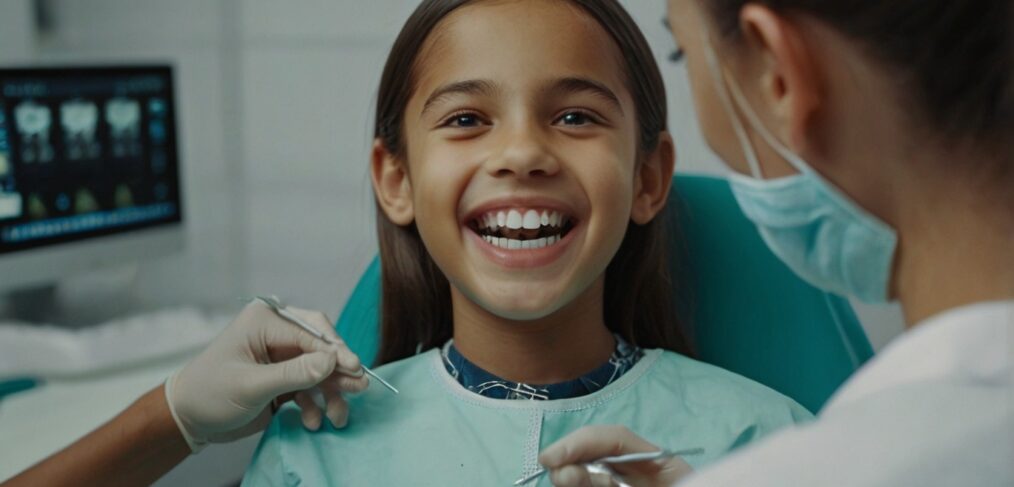
Right Age to Start Orthodontic Treatment

What is the Right Age to Start Orthodontic Treatment? Top 5 Reasons to Start Early

What is the Right Age to Start Orthodontic Treatment? Learn the ideal age to start orthodontic treatment, with pros and cons for every stage.- Bee Cave Orthodontics – Austin, Texas

As a parent, deciding when your child should begin orthodontic treatment can be a big question. You may be wondering: “Is now too early? Should we wait until their teen years?” The truth is, there is no one-size-fits-all answer — but understanding the benefits and challenges of starting treatment at different ages can help you make the best decision.

Here’s what you need to know about the ideal age to start braces or Invisalign, and how each stage of development affects orthodontic care.


1. Ages 6–9: Early Intervention (Phase 1 Orthodontics)

What happens at this stage?
This is the perfect age for your child’s first orthodontic evaluation. According to the American Association of Orthodontists, children should see an orthodontist by age 7. Why? Because their jaw is still developing and it’s easier to guide their growth.

Braces & Invisalign at this age:

  • Braces: Used in some cases for crossbites, crowding, or protruding teeth.

  • Invisalign First: A specially designed clear aligner system for younger children with mixed dentition.

✅ Pros:

  • Can prevent more serious problems later.

  • Shorter and less invasive treatment in the future.

  • Boosts confidence early on.

⛔️ Cons:

  • May require a second round of treatment later.

  • Some kids may not be emotionally ready for daily care routines (especially with Invisalign).


2. Ages 10–12: Pre-Teen Years

What’s happening?
Most permanent teeth are in place or erupting. This is a prime age for interceptive treatment if problems weren’t caught earlier.

Braces & Invisalign at this age:

  • Braces are common for alignment and bite issues.

  • Invisalign is available, especially if the child is responsible enough to wear aligners consistently.

✅ Pros:

  • Easier to make changes while growth is ongoing.

  • Social acceptance — many kids get braces at this age.

⛔️ Cons:

  • Still might need longer treatment depending on growth patterns.

  • Invisalign may be harder to maintain for some kids.


3. Ages 13–15: Teen Years

Why is this age so common?
By this age, most or all adult teeth have erupted, and the jaw has developed significantly. It’s the most typical time to start full orthodontic treatment.

Braces & Invisalign:

  • Both are very effective at this stage.

  • Teens are often great candidates for Invisalign Teen (includes features like eruption tabs and wear indicators).

✅ Pros:

  • Predictable treatment outcomes.

  • Teens are usually more responsible with hygiene and follow-ups.

  • Invisalign often preferred for aesthetic reasons at this age.

⛔️ Cons:

  • Teens may be self-conscious about appearance with braces.

  • Can interfere with sports/musical instruments if not managed properly.


4. Ages 16+: Late Teens

Still possible to start? Absolutely.
Orthodontic treatment can still be very effective in later teenage years. It may take longer if growth is complete, but great results are still achievable.

✅ Pros:

  • High compliance — teens understand the benefits.

  • Invisalign is often the preferred choice for its subtle look.

⛔️ Cons:

  • May require more complex treatment if issues were left unaddressed for years.

  • Slightly less flexibility in guiding jaw development.


So, What’s the Ideal Age?

In most cases, ages 7–8 is the ideal time for a first orthodontic evaluation — not necessarily for starting treatment, but to assess if early intervention could help. If no issues are found, your orthodontist will continue monitoring growth and development.

Starting early doesn’t always mean treatment begins immediately — but catching potential problems early can lead to simpler, faster, and more cost-effective solutions later.


Braces vs. Invisalign: What Should You Choose?

Both are excellent options, and the best choice depends on your child’s:

  • Age and stage of dental development

  • Responsibility and ability to follow care instructions

  • Lifestyle and confidence needs

Invisalign offers flexibility and discretion, while braces are more durable and often better for complex cases.


Schedule a Free Consultation Today!

The earlier you check in with an orthodontist, the better your chances of ensuring a smooth, confident smile journey for your child or teen. At [Clinic Name], Dr. D is a trusted expert in both traditional braces and Invisalign — especially for children and teens with unique needs.

📅 Ready to find out if now is the right time for your child’s treatment? 

👉Schedule a Free Consultation with Dr. D now  and take the first step in giving your child a strong, confident smile!

Want to get to know us a little better? Check out our YouTube Videos!

Child Might Need Braces

7 Key Signs Your Child Might Need Braces (And How to Address Them)

Child Might Need Braces? Discover 7 key signs to watch for and learn about modern treatment options like Invisalign First to help your child achieve a healthy, confident smile. – Bee Cave Orthodontics – Austin, Texas

When it comes to your child’s health, early detection often makes all the difference — and that includes orthodontic care.

Recognizing the early signs that your child might need braces can lead to simpler, faster, and more effective treatment options. Here’s what you should look for and how modern orthodontic solutions, like Invisalign First, can help.

1. Crooked or Crowded Teeth

One of the most obvious signs is visible misalignment. If your child’s teeth overlap, twist, or seem crammed together without enough space, it could indicate that their jaw is too small to accommodate all of their permanent teeth. Early intervention can help guide proper jaw development, potentially avoiding more complex procedures later on.

Treatment options:

  • Traditional braces

  • Invisalign First for a more discreet, comfortable solution for younger patients

2. Early or Late Loss of Baby Teeth

The timing of losing baby teeth matters more than many parents realize. If your child loses baby teeth much earlier or later than peers, it could disrupt how permanent teeth emerge, leading to alignment problems.

Treatment options:

  • Space maintainers to hold the correct position for permanent teeth

  • Early orthodontic evaluation to monitor and guide development

3. Difficulty Biting or Chewing

If your child struggles to bite into foods like sandwiches, apples, or even soft foods, it might signal bite issues such as overbite, underbite, or crossbite. Difficulty chewing can affect nutrition, speech, and even self-confidence.

Treatment options:

  • Braces to correct bite alignment

  • Invisalign First for mild to moderate bite corrections

4. Mouth Breathing and Snoring

Frequent mouth breathing and snoring, especially if paired with restless sleep, can be signs of jaw structure issues. A narrow palate or improper jaw alignment can contribute to breathing difficulties, affecting overall health and development.

Treatment options:

  • Palatal expanders to widen the upper jaw

  • Early intervention with orthodontic appliances to improve airway space

5. Prolonged Thumb Sucking or Pacifier Use

If your child continues thumb-sucking or using a pacifier beyond age four, it can affect the way their teeth and jaw develop. Prolonged habits may cause open bites, where the upper and lower teeth don’t meet properly.

Treatment options:

  • Habit-breaking appliances

  • Orthodontic evaluation to assess and correct the impact on tooth alignment

6. Speech Difficulties

Speech problems like lisps, difficulty pronouncing certain letters, or unclear speech can sometimes be linked to orthodontic issues. Misaligned teeth or jaws can affect tongue placement and the way sounds are produced.

Treatment options:

  • Orthodontic appliances to adjust jaw and teeth positioning

  • Collaboration with a speech therapist if necessary

7. Jaw Shifting, Clicking, or Popping

If you notice your child’s jaw shifting to one side when opening or closing, or hear clicking or popping sounds, this could indicate a jaw misalignment or developing TMJ (temporomandibular joint) problems.

Treatment options:

  • Braces or Invisalign First to correct jaw positioning

  • Special orthodontic appliances to guide proper joint function


Why Early Treatment Matters

The American Association of Orthodontists recommends that children have their first orthodontic evaluation by age 7. Even if braces aren’t immediately needed, early check-ups allow orthodontists to monitor growth patterns and intervene at the perfect time if necessary.

Modern treatments like Invisalign First are game-changers for young patients. Invisalign First is specifically designed for children aged 6-10, offering a comfortable, removable, and nearly invisible alternative to traditional braces. It helps address issues like crowding, spacing, and narrow dental arches, all while being easy for kids to manage — and for parents to love.


Final Thoughts

Spotting the early signs that your child might need braces is crucial for setting them up for a lifetime of healthy smiles. If you recognize any of these seven signs, don’t wait — schedule an orthodontic consultation. With options like traditional braces and innovative solutions like Invisalign First, your child can receive customized care that’s as gentle and effective as possible.

A bright, confident smile starts with early attention and expert guidance!

Schedule a Free Consultation now!

  1. Click here to Schedule a Free Consultation now!
  2. Want to get to know us a little better? Check out our YouTube Videos!

Invisalign with Baby Teeth

Invisalign with Baby Teeth: 5 Essential Facts About Early Orthodontic Treatment

Wondering if your child can get braces or Invisalign with baby teeth? Dr. D, Austin’s premier pediatric orthodontist, explains mixed dentition treatment options and when to start for optimal results.


As a parent, you might be surprised to learn that orthodontic treatment can begin even when your child still has some baby teeth.

Early intervention can prevent more serious issues down the road and create the foundation for a healthy, beautiful smile.

Dr. D, a trusted pediatric orthodontist and Invisalign specialist in Austin, Texas, shares five essential facts about early orthodontic treatment for mixed dentition (a mix of baby and permanent teeth).

1. Yes, Children with Baby Teeth CAN Qualify for Orthodontic Treatment

While traditional braces and Invisalign are often associated with teenagers, early intervention can start as young as age 7. The American Association of Orthodontists (AAO) recommends an initial orthodontic evaluation by this age to assess:

  • Jaw growth patterns
  • Emerging permanent teeth
  • Bite alignment issues

Common early treatments include:

✔ Palatal expanders (to correct narrow arches)
✔ Space maintainers (to prevent crowding)
✔ Partial braces (to guide erupting teeth)
✔ Invisalign First® (a specialized clear aligner system for young kids)

2. What Is Invisalign First®? (And How It Works for Mixed Dentition)

Invisalign First is designed specifically for children ages 6–10 who still have a mix of baby and permanent teeth. Unlike traditional Invisalign, these aligners:

  • Accommodate erupting teeth (with special “eruption tabs”)
  • Correct crossbites, crowding, and spacing issues early
  • Are removable (but require strict compliance)

Case Example:
“An 8-year-old patient with severe crowding used Invisalign First for 9 months, creating enough space for permanent teeth to emerge properly—avoiding future extractions.”

3. Signs Your Child Might Need Early Treatment

Not every child with baby teeth requires orthodontics, but watch for these red flags:
🔹 Early or late loss of baby teeth (can indicate alignment issues)
🔹 Difficulty chewing or biting
🔹 Mouth breathing or snoring (linked to narrow arches)
🔹 Thumb-sucking beyond age 5 (can cause open bites)
🔹 Crowded or blocked permanent teeth

Did You Know?
Some children benefit from Phase 1 treatment (early intervention) followed by Phase 2 (full braces/Invisalign in teen years). This two-phase approach can reduce treatment time and complexity later.

4. Benefits of Starting Early (Instead of Waiting)

Early orthodontic intervention can:
✅ Guide jaw growth (reducing the need for surgery later)
✅ Create space for incoming permanent teeth (preventing extractions)
✅ Correct harmful oral habits (thumb-sucking, tongue thrusting)
✅ Improve facial symmetry and confidence

Parent Tip:
Even if full treatment isn’t needed yet, an early evaluation allows Dr. D to monitor growth and plan the most efficient treatment timeline.

5. What to Expect During a Mixed Dentition Consultation

At Dr. D’s Austin office, we use 3D digital scans (no messy impressions!) to assess:

  1. Which teeth are still baby teeth vs. permanent
  2. Jaw development and airway health
  3. Customized treatment options (braces, expanders, or Invisalign First)

Frequently Asked Questions:
❓ “Will early treatment eliminate the need for braces later?”

  • Not always, but it can simplify future treatment.

❓ “How long does Invisalign First take?”

  • Typically 6–12 months, depending on the case.

❓ “What if my child loses an aligner?”

  • We provide free replacements during active treatment.

Next Steps for Austin Parents:

  1. Click here to Schedule a Free Consultation now!
  2. Want to get to know us a little better? Check out our YouTube Videos!