

Signs You Might Be Clenching Your Jaw

Top 5 Signs You Might Be Clenching Your Jaw: From Headaches to Worn Teeth

Signs You Might Be Clenching Your Jaw: Jaw pain, headaches, or worn teeth? Discover 5 telltale signs of jaw clenching and what you can do to protect your smile, especially if your child might be affected. – Bee Cave Orthodontics – Austin, Texas

Do you wake up with a sore jaw or a pounding headache? Has your child been complaining about jaw pain or sensitive teeth? These symptoms may be more than just daily discomfort — they could be signs of jaw clenching, also known as bruxism.

Jaw clenching is a common condition that affects both adults and children, often without them even realizing it.

Left untreated, it can lead to chronic pain, dental damage, and even misalignment of the jaw joint.

Here are the top five signs that you or your child might be clenching at night — and what to do about it.


1. Persistent Jaw Pain or Tightness

One of the most obvious signs of clenching is pain in the jaw, especially near the ears or along the jawline. This discomfort is often worse in the morning, as the muscles have been overworked overnight. Children might describe it as “soreness when chewing” or a “tired jaw.”


2. Frequent Headaches

Tension-type headaches — often felt in the temples or around the forehead — are common in people who clench their jaw. These headaches are caused by the overuse of jaw and facial muscles and may mimic migraines. If your child frequently wakes up with a headache or complains of facial pain, it’s worth checking for signs of clenching.


3. Worn or Flattened Teeth

Over time, the pressure from grinding or clenching can wear down tooth enamel, making the teeth appear flat, short, or even chipped. In children, this might be harder to detect, but a pediatric dentist or orthodontist will often spot uneven wear patterns during a routine visit.


4. Tooth Sensitivity or Pain

Worn enamel exposes the sensitive dentin layer of the tooth, making hot or cold foods painful. If your child suddenly becomes sensitive to temperature or pressure when eating, jaw clenching may be the underlying cause. Painful chewing without any obvious cavity could be another clue.


5. Clicking or Popping Sounds in the Jaw

Clenching puts pressure on the temporomandibular joint (TMJ), which can result in popping, clicking, or even locking of the jaw. This can be especially alarming in children and teens, who may not be able to describe the sensation well. Any noises from the jaw joint should be evaluated by a professional.


What Causes Jaw Clenching?

Clenching and grinding are often linked to stress or anxiety, even in young children. Other contributing factors include:

  • Misaligned teeth or bite

  • Sleep disorders

  • ADHD or hyperactivity

  • Response to pain or discomfort

  • Side effects of certain medications


What Can You Do About It?

The first step is to schedule a consultation with an orthodontist or dentist, especially one experienced in treating children and teens. They may recommend:

  • A custom night guard to protect the teeth during sleep

  • Relaxation techniques or stress-reducing habits

  • Orthodontic treatment to correct bite misalignment

  • Addressing sleep quality or breathing issues, especially in kids with large tonsils or sleep apnea symptoms


When to See a Specialist

If your child shows two or more of the signs listed above, it’s time to take action. Early intervention can prevent years of discomfort and damage. Dr. D and our team are specially trained to recognize and treat signs of bruxism in children, teens, and adults alike — with gentle, personalized care.


🦷 Take the First Step Toward Relief

If you or your child is experiencing jaw pain, headaches, or worn teeth, don’t wait. Let’s find out what’s going on — and fix it before it gets worse.

👉Schedule a Free Consultation with Dr. D now

Want to get to know us a little better? Check out our YouTube Videos!
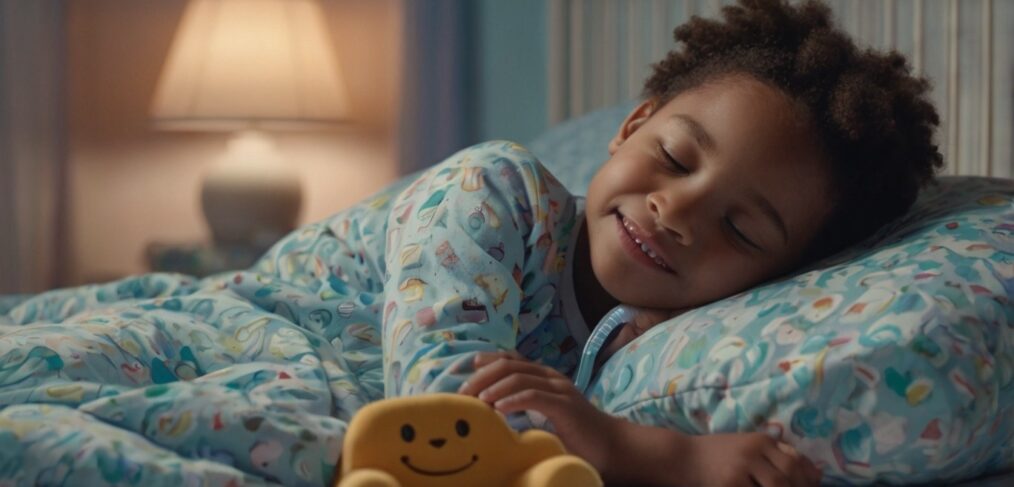
Child Grinds Teeth at Night

My Child Grinds Teeth at Night: Do They Need Braces? Expert Advice from Dr. D

Child Grinds Teeth at Night: Worried about your child’s nighttime teeth grinding? Dr. D, a pediatric orthodontist and Invisalign speaker in Austin, TX, explains when bruxism requires orthodontic treatment and how to protect their smile.


If you’ve ever heard your child grinding their teeth at night, you know how unsettling that sound can be. As a parent, you’re likely wondering: Is this normal? Could it damage their teeth? Will they need braces? Dr. D, a trusted pediatric orthodontist in Austin, Texas, and Invisalign speaker, is here to ease your concerns. In this blog post, she explains the connection between nighttime teeth grinding (bruxism) and orthodontic treatment, and shares actionable steps to protect your child’s smile.


Understanding Bruxism in Children

Teeth grinding, or bruxism, is common in children, affecting about 20-30% of kids. While most outgrow it by adolescence, persistent grinding can lead to:

  • Worn-down tooth enamel
  • Tooth sensitivity or pain
  • Jaw discomfort or headaches
  • Sleep disruptions

Common causes include:
✔️ Stress or anxiety (e.g., school pressure)
✔️ Misaligned teeth or bite issues (e.g., overbite, underbite)
✔️ Sleep disorders (e.g., sleep apnea)


When Does Bruxism Require Braces or Invisalign?

Not all teeth grinders need orthodontic treatment, but Dr. D recommends an evaluation if your child shows:

  1. Visible Tooth Damage
    • Flattened, chipped, or cracked teeth
    • Increased tooth sensitivity
  2. Bite Problems
    • Crossbite, overbite, or underbite
    • Crowded or misaligned teeth
  3. Persistent Symptoms
    • Jaw pain or frequent headaches
    • Grinding that continues past age 6-7

Did You Know?
Early orthodontic evaluation (by age 7) can catch bite issues before they worsen bruxism.


Treatment Options for Nighttime Grinding

1. Custom Night Guards

  • What They Do: Protect teeth from grinding forces.
  • Best For: Kids with mild bruxism but no major bite issues.
  • Pros: Non-invasive, affordable, and comfortable.

2. Braces or Invisalign

  • What They Do: Correct misaligned bites that contribute to grinding.
  • Best For: Kids with moderate to severe bite problems.
  • Pros: Addresses the root cause, not just symptoms.

3. Stress Management

  • Relaxation techniques (e.g., bedtime stories, calming routines).
  • Limit screen time before bed.

Dr. D’s Approach to Bruxism in Austin

At our practice, we take a two-step approach:

  1. Protect: Fit your child with a custom night guard to prevent further damage.
  2. Correct: If needed, create a personalized orthodontic plan (braces or Invisalign) to fix underlying bite issues.

Success Story:
“My 10-year-old stopped grinding after Invisalign fixed his crossbite. No more morning headaches!” — Sarah, Austin mom


3 Signs Your Child Needs an Orthodontic Checkup

  1. You hear grinding noises multiple nights a week.
  2. They complain of jaw pain or tired muscles in the morning.
  3. Their teeth look shorter or worn down.

FAQ: Parent Concerns Answered

Q: Will my child outgrow teeth grinding?
A: Many do, but if grinding persists past age 6-7 or causes damage, intervention is key.

Q: Are night guards safe for kids?
A: Yes! We use soft, BPA-free materials tailored for growing mouths.

Q: Can Invisalign help with grinding?
A: Absolutely. By aligning the bite, it often reduces grinding long-term.


Next Steps for Worried Parents

  1. Monitor: Keep a log of grinding frequency and symptoms.
  2. Protect: Schedule a dental checkup to assess tooth damage.
  3. Correct: Visit Dr. D for an orthodontic evaluation if bite issues are suspected.

Click here to Schedule a Free Consultation now!

Want to get to know us a little better? Check out our YouTube Videos!