Dr D Patient beecaveortho.com

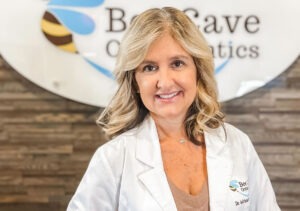
Dr. Adriana Da Silveira | Invisalign Expert in Austin, TX

Why Choose Dr. Adriana Da Silveira for Invisalign in Austin? Experience, Expertise and a Global Perspective

Looking for an experienced Invisalign provider in Austin, Bee Cave, or Round Rock, Texas? At Bee Cave Orthodontics, Dr. Adriana Da Silveira combines extensive experience treating patients with Invisalign clear aligners with a unique professional perspective: her faculty role with Invisalign and her experience speaking at Invisalign educational events to orthodontic and dental professionals around the world.
For patients considering Invisalign, that distinction matters. Choosing clear aligners is not simply about selecting a nearly invisible alternative to braces. It is about understanding how teeth move, how a bite functions, and how to develop a treatment plan tailored to each patient’s needs.

Dr. Da Silveira brings that broader orthodontic perspective to the care she provides at Bee Cave Orthodontics, helping patients explore whether Invisalign is the right solution for their smiles.

What Makes Dr. Adriana Da Silveira Different as an Invisalign Provider?
Dr. Adriana Da Silveira is an orthodontist at Bee Cave Orthodontics with extensive experience using Invisalign to treat patients who want to improve their smiles with clear aligner therapy.
In addition to her clinical work, Dr. Da Silveira serves in a faculty role with Invisalign and speaks at Invisalign events, sharing professional knowledge with doctors from around the world.
These educational experiences connect her clinical perspective with the broader orthodontic community. They also reflect her involvement in professional conversations about clear aligner treatment, clinical decision-making, and the evolving use of Invisalign technology.

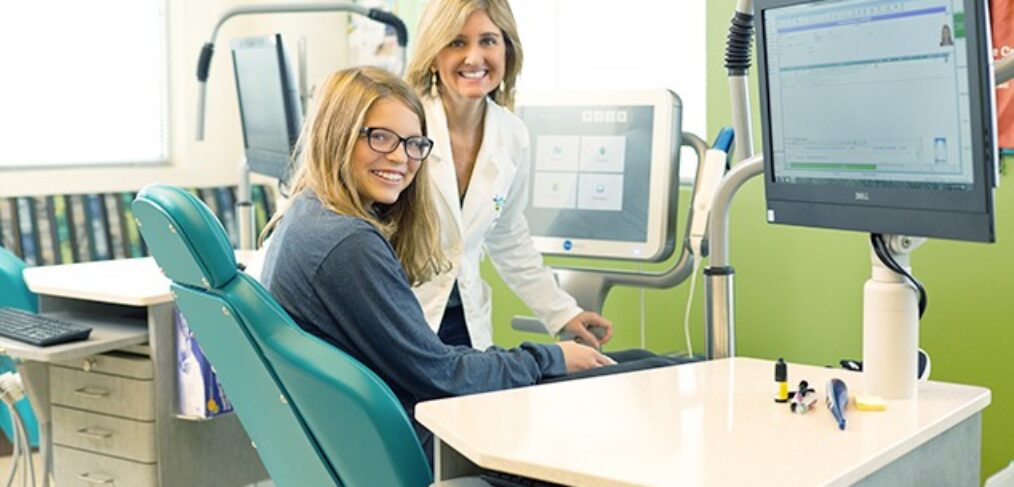
Bee Cave Orthodontics Invisalign for adults and kids in Austin

For patients, the important consideration is how that knowledge translates into individualized care. Successful orthodontic treatment requires more than wearing clear trays. It requires careful diagnosis, thoughtful treatment planning, regular monitoring, and an understanding of how teeth and the bite respond throughout treatment.
At Bee Cave Orthodontics, patients can discuss their smile goals with an orthodontist whose experience extends beyond the treatment chair to professional education and collaboration.

What Is Invisalign and How Does It Work?
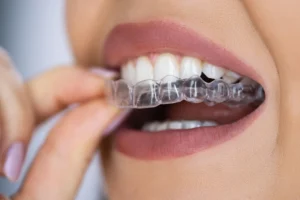
Invisalign is an orthodontic treatment system that uses a series of custom-made, removable clear aligners to gradually move teeth into planned positions.
Unlike traditional braces, Invisalign aligners do not rely on brackets and wires. Instead, patients wear a sequence of transparent trays designed to guide tooth movement over time.
Each set of aligners makes small, planned adjustments. Patients progress through their aligners according to their orthodontist’s instructions, with periodic appointments to monitor progress and determine whether treatment is proceeding as expected.
Invisalign may be used to address a range of orthodontic concerns, including:
* Crowded or overlapping teeth
* Gaps and spaces between teeth
* Certain overbites and underbites
* Crossbites
* Some open bites and other bite-related concerns
* Relapse after previous orthodontic treatment
Not every orthodontic condition is best treated with Invisalign, and some cases require additional techniques or a different treatment approach. An individualized evaluation is the best way to determine which options are appropriate.

Why Does Orthodontic Experience Matter With Invisalign?
One of the most important decisions a patient makes is choosing the orthodontic professional who will oversee treatment.
Clear aligners are created using digital planning, but digital technology does not replace clinical judgment. An orthodontist must evaluate the patient’s teeth, jaw relationship, bite, facial characteristics, and treatment goals before deciding how teeth should move.
dr adriana da silveria beecaveortho.com

That expertise matters throughout the process.
Diagnosis and treatment planning: An orthodontist identifies the issues that need to be addressed and develops a plan based on the patient’s individual anatomy and goals.
Predictable tooth movement: Teeth do not always move exactly as a digital simulation predicts. Monitoring and clinical adjustments help address differences between planned and actual progress.
Bite function: A beautiful smile should also function properly. The relationship between the upper and lower teeth is an important part of orthodontic treatment.
Midcourse adjustments: Some patients need refinements or changes to their treatment plan as their teeth respond to aligners.
Long-term stability: Retention after active treatment helps maintain results. Patients receive guidance on retainers and protecting their new smile.

Dr. Da Silveira’s extensive Invisalign experience, combined with her participation in Invisalign education and professional speaking engagements, gives patients an opportunity to work with an orthodontist who is actively engaged in the field of clear aligner therapy.

What Does It Mean to Have an Invisalign Faculty Role?
An Invisalign faculty role involves participation in professional education associated with Invisalign. Faculty members may share clinical knowledge, treatment experience, and perspectives on clear aligner techniques with other dental professionals, depending on their specific responsibilities.
For Dr. Da Silveira, this educational role complements her work treating patients.
Her experience speaking at Invisalign events to doctors from around the world further reflects her involvement in professional education and the exchange of ideas within the orthodontic community.
This distinction is relevant for patients researching Invisalign providers because it offers another dimension to consider when evaluating an orthodontist’s professional background.
It is important to remember that no single credential guarantees a particular treatment outcome. Each patient’s results depend on individual clinical factors, the treatment plan, and following the orthodontist’s instructions. However, an orthodontist’s clinical experience, continuing education, and professional involvement can all be useful considerations when choosing a provider.

Is Invisalign as Effective as Braces?
Invisalign can be an effective treatment option for many orthodontic conditions, but its suitability depends on the complexity of the case.
Clear aligners can address many alignment and bite concerns. Some cases, particularly those involving complex tooth movements or significant bite discrepancies, may be better managed with braces or a combination of orthodontic techniques.
The best option is not necessarily the newest technology or the most discreet appliance. It is the treatment approach that fits the patient’s clinical needs.
At Bee Cave Orthodontics, a consultation allows patients to discuss the benefits and limitations of Invisalign alongside other available treatment options.

Who Is a Good Candidate for Invisalign?
Invisalign may be suitable for children, teenagers and adults who want to improve tooth alignment without traditional braces. Candidacy depends on several factors, including the type of orthodontic problem, dental health, and the patient’s ability to wear aligners consistently.
Invisalign may be worth exploring if you:
* Want a less noticeable alternative to traditional braces
* Have crowded teeth or unwanted spaces
* Have certain bite alignment concerns
* Prefer removable aligners for eating and brushing
* Are willing to wear aligners according to your orthodontist’s instructions
* Want a treatment plan designed around your individual smile
Because aligners are removable, patient compliance is essential. They generally need to be worn 20–22 hours per day, or as directed by the treating orthodontist. Removing them too often or not wearing them consistently can delay progress.
The best way to find out whether Invisalign is right for you is to schedule an orthodontic consultation.

What Is the Invisalign Treatment Process at Bee Cave Orthodontics?
Although every patient’s treatment plan is different, Invisalign treatment generally follows several steps.
1. Initial consultation
The orthodontist evaluates your teeth, bite, dental health, and smile goals. This appointment is an opportunity to discuss your concerns and determine whether clear aligners are appropriate.
2. Digital records and treatment planning
When indicated, digital scans and other diagnostic records help the orthodontist evaluate your teeth and plan treatment. The plan accounts for the movements needed to achieve the desired alignment and bite relationship.
3. Custom aligners
A series of aligners is manufactured to follow the prescribed treatment plan. Each aligner is designed to move teeth incrementally.
4. Wearing your aligners
You wear your aligners according to your orthodontist’s instructions, removing them for meals, drinks other than water, and oral hygiene. Consistency is important to keep treatment on track.
5. Progress appointments
Your orthodontist checks how your teeth are responding and determines whether adjustments, additional aligners, or other measures are needed.
6. Retainers and maintenance
Once active treatment is complete, retainers help preserve the result. Wearing retainers as instructed is an important part of maintaining your smile.

How Long Does Invisalign Take?
Invisalign treatment time varies depending on the complexity of the orthodontic problem, the amount of tooth movement required, and how consistently the patient wears the aligners.
Some cases can be completed in several months, while more complex treatments may take a year or longer. Additional aligners or refinements may also affect the overall timeline.
Rather than relying on a general estimate, patients should ask for a personalized treatment timeline after their orthodontic evaluation.

During a consultation at Bee Cave Orthodontics, patients can ask about their recommended treatment, the estimated fee, insurance benefits, and available payment arrangements.
When comparing Invisalign providers, consider the full treatment experience—not just the initial price. The orthodontist’s clinical assessment, treatment monitoring, and retention guidance are important parts of the process.

Why Choose Bee Cave Orthodontics for Invisalign in Austin and Round Rock?
Choosing an Invisalign provider is a personal decision. Patients deserve clear answers, a treatment plan that reflects their needs, and an orthodontic team that can guide them from consultation through retention.
Bee Cave Orthodontics offers patients access to Dr. Adriana Da Silveira, whose extensive Invisalign experience is complemented by her faculty role with Invisalign and her participation as a speaker at Invisalign events for doctors around the world.
For patients in Bee Cave, Austin, and Round Rock, this combination of clinical practice and professional education provides a meaningful reason to learn more about the practice.
Whether you are exploring clear aligners for the first time, considering orthodontic treatment as an adult, or looking into options for your teenager, an individualized consultation can help you understand the possibilities.

Frequently Asked Questions About Invisalign at Bee Cave Orthodontics

Who is Dr. Adriana Da Silveira?
Dr. Adriana Da Silveira is an orthodontist at Bee Cave Orthodontics with extensive Invisalign treatment experience. She also has a faculty role with Invisalign and speaks at Invisalign events, educating doctors from around the world.
Why choose an orthodontist with extensive Invisalign experience?
An experienced orthodontist can evaluate tooth alignment, bite relationships, and individual treatment needs to determine whether Invisalign is appropriate. Clinical judgment is important for planning tooth movement, monitoring progress, and addressing challenges during treatment.

Does Dr. Adriana Da Silveira teach other doctors about Invisalign?
Yes. Dr. Da Silveira has a faculty role with Invisalign and speaks at Invisalign events to doctors from around the world, sharing professional knowledge and experience in the field of clear aligner treatment.
Can Invisalign fix an overbite or underbite?
Invisalign can address certain overbites, underbites, and other bite issues. Suitability depends on the severity and nature of the problem, so an orthodontic evaluation is necessary.

Is Invisalign available for children, teenagers, and adults?
Invisalign may be an option for both adults and teenagers.The appropriate treatment depends on dental development, orthodontic needs, and the patient’s ability to follow the aligner-wearing schedule.

How often do I need to wear Invisalign aligners?
Most patients are instructed to wear Invisalign aligners approximately 20–22 hours per day. Your orthodontist will provide instructions specific to your treatment plan.

Where can I get Invisalign in Bee Cave, Lakeway, Westlake, Austin, or Round Rock?
Bee Cave Orthodontics serves patients in the Austin area, including Bee Cave and Round Rock. Contact the practice to schedule a consultation and learn whether Invisalign is appropriate for your smile.
Start Your Invisalign Journey With Bee Cave Orthodontics
Your smile deserves a treatment plan based on your individual needs, not a one-size-fits-all approach.
With extensive Invisalign experience, an Invisalign faculty role, and a background speaking to doctors at Invisalign events around the world, Dr. Adriana Da Silveira brings a broad professional perspective to clear aligner treatment at Bee Cave Orthodontics.

Ready to explore Invisalign? Contact Bee Cave Orthodontics at beecaveortho.com or 512-334-0444 to schedule a consultation in the Austin area and discover which orthodontic options may be right for you.
Individual results and treatment times vary.

Maintain Your Whitening

Coffee, Wine, and a Bright Smile: How to Maintain Your Whitening Results

Maintain Your Whitening: Discover dentist-approved tips for adults and teens to protect your bright smile from coffee, wine, and stains – Bee Cave Orthodontics – Austin, Texas

There’s nothing quite like the confidence that comes with a freshly whitened smile, that radiant, camera-ready glow that makes you want to show your teeth in every photo.

But after your whitening treatment, the real challenge begins: keeping that sparkle intact.

Whether you’re a busy parent sipping morning coffee or a teen flashing braces-free teeth in selfies, maintaining your whitening results takes daily care and smart habits.

1. Watch Out for Stain-Causing Foods and Drinks

Coffee, tea, red wine, and sodas are notorious for dulling bright smiles.

These beverages contain pigments called chromogens, which attach to tooth enamel and cause discoloration.

If you can’t imagine giving them up, try using a straw to minimize contact with your teeth. Rinse your mouth with water afterward, and wait about 30 minutes before brushing to avoid damaging the enamel.

Adolescents should also be mindful of colorful drinks like sports beverages, energy drinks, and fruit juices, they can stain just as easily and often contain added sugars that weaken enamel.

2. Stick to a “White Diet” for the First 48 Hours

Immediately after whitening, your teeth are more porous and vulnerable to stains.

For the first two days, stick to light-colored foods like rice, pasta, potatoes, chicken, cauliflower, bananas, and milk.

Avoid anything with strong pigments: think tomato sauce, chocolate, berries, or colored candies.

This is a great rule for teens too, especially after an in-office whitening or Invisalign® treatment: avoiding bright or dark foods early on can help your results last longer.

3. Brush and Floss Like a Pro

Brushing twice a day and flossing daily aren’t just good hygiene habits, they’re your first line of defense against surface stains.

Use a soft-bristle toothbrush and a whitening toothpaste that’s gentle on enamel.

For teenagers, remind them that consistency is key. Brushing after snacks, school lunches, and sports practice helps prevent new stains from forming. Consider keeping travel-sized brushes and floss in backpacks or lockers for convenience.

4. Hydration Is Your Secret Weapon

Drinking water frequently helps wash away food particles and prevent the buildup of plaque that can make teeth appear dull.

Sparkling water is fine, but plain water is best, especially after meals or sugary drinks.

Encouraging teens to replace sodas with water is one of the simplest and most effective ways to maintain both a white smile and healthy teeth.

5. Don’t Skip Your Dental Checkups

Professional cleanings remove plaque and tartar that regular brushing can’t.

Scheduling visits every six months allows your orthodontist or hygienist to keep your smile spotless and polished.

Teens who have recently completed braces or Invisalign® treatments can also benefit from touch-up whitening or professional cleaning sessions, they help even out color differences and enhance the final result.

6. Touch Up Your Whitening Safely

Whitening isn’t a one-and-done treatment. Depending on your lifestyle, you may need touch-ups every few months or once a year.

Always use dentist-approved whitening gels or trays to avoid damaging enamel or causing sensitivity.

Parents can set a great example by scheduling their own professional whitening touch-ups, it encourages teens to see dental care as part of a long-term self-care routine, not just a cosmetic quick fix.

7. Embrace a Confident Lifestyle

A bright smile isn’t just about color, it’s about confidence. Smiling often, maintaining good posture, and feeling good about yourself naturally enhance your appearance.

Encourage your teens to smile proudly, whether it’s for a yearbook photo or a school presentation.


Schedule a Free Consultation now!

Your whitening journey doesn’t end when you leave the chair, it begins there. With mindful choices and consistent care, you can enjoy that luminous, healthy glow for months (or even years) to come.

At Bee Cave Orthodontics, Dr. D and her team are experts in helping patients of all ages maintain radiant, healthy smiles through gentle care and smart technology.
✨  Schedule a Free Consultation with Dr. D now,  to keep your smile bright, confident, and beautiful — from coffee to selfies and everything in between.

Want to get to know us a little better? Check out our YouTube Videos!

Boost a Child’s Self-Esteem

How to Boost a Child’s Self-Esteem: 7 Proven Tips from an Orthodontic Expert

How to Boost a Child’s Self-Esteem: Help your child feel confident inside and out! Discover 7 expert-backed tips from Dr. D at Bee Cave Orthodontics including how a healthy smile can boost your child’s self-esteem.-Austin, Texas

Every parent wants to see their child smile with confidence, not just on the outside, but from within.

A child’s self-esteem shapes how they see themselves, interact with others, and approach the world.

The good news? Confidence can be nurtured through simple, daily actions, and yes, orthodontics can play a surprisingly big role in that journey.

Here are 7 powerful ways to help your child build self-esteem, supported by insights from Dr. D at Bee Cave Orthodontics, an expert in child and teen orthodontics, Invisalign®, and gentle care for children with special needs.

1. Encourage a Confident Smile

A beautiful, healthy smile is often the first thing people notice, and for kids, it can make a huge difference in how they feel about themselves.

Orthodontic treatment helps align teeth, improve bite function, and create a smile your child feels proud to show.

“When a child starts smiling freely, everything changes, their posture, their interactions, even their dreams.”

Whether it’s with Invisalign® for kids, traditional braces, or early interceptive treatment, the right orthodontic plan can help your child smile with genuine confidence.

2. Praise Effort, Not Just Results

Children thrive when they know their effort matters more than perfection. Celebrate when they try something new or show persistence, even if the outcome isn’t perfect.

A simple “I’m proud of how hard you worked on that” can be much more powerful than “You’re so smart.”

This builds resilience and teaches them that mistakes are part of growth, just like adjusting to braces or learning to clean around aligners.

3. Create a Positive Morning Routine

Mornings set the tone for the day.

Help your child start strong by creating a calm, structured routine that includes time for self-care.

Brushing and flossing can become a moment of mindfulness, especially for kids with braces or aligners. A quick morning check in the mirror to see their progress can remind them of how far they’ve come.

4. Teach the Power of Body Language

Encourage your child to stand tall, look people in the eye, and smile often.

These small gestures send signals to the brain that increase feelings of confidence.

When kids feel good about their teeth and smile, they naturally carry themselves with more pride, a subtle but powerful boost to self-esteem.

5. Model Confidence at Home

Children mirror what they see.

If they notice you handling challenges with calmness and positivity, they’ll learn to do the same.

Talk openly about your own growth, challenges, or even your dental care routine.

Show them that confidence isn’t about being perfect, it’s about showing up with authenticity.

6. Support Their Individuality

Let your child express their personality, through clothing, hobbies, music, or art.

When children feel seen and accepted for who they are, confidence follows naturally.

At Bee Cave Orthodontics, Dr. D’s team makes sure every child feels special and unique, from choosing colorful elastic bands to personalizing their Invisalign cases.

7. Make Dental Visits Positive Experiences

For many children, visiting the orthodontist can feel intimidating, but it doesn’t have to.

At Bee Cave Orthodontics, Dr. D and her team use gentle communication, technology-driven treatments, and a warm, supportive environment designed especially for kids (including those with sensory sensitivities).

The goal is for every child to feel comfortable, safe, and proud of their progress, because a confident patient becomes a confident person.

 Ready to Help Your Child Smile Brighter?

Building your child’s self-esteem isn’t about perfection, it’s about progress. Every small moment of encouragement, every smile shared, and every supportive conversation helps shape how they see themselves.

Schedule a Free Consultation with Dr. D now! Our gentle, tech-smart approach to orthodontics helps kids and teens feel confident, comfortable, and proud of their smiles, from the first visit to the final reveal.

Want to get to know us a little better? Check out our YouTube Videos!

Wearing Braces

7 Things You Should Never Do While Wearing Braces or Invisalign

Discover the top things to avoid when wearing braces or Invisalign. Learn Dr. D’s expert tips from Bee Cave Orthodontics to keep your smile healthy and your treatment on track.- Austin, Texas

Orthodontic treatment is an exciting journey toward a beautiful, healthy smile but it also comes with a few rules.

Whether your child or teen wears traditional braces or Invisalign® aligners, certain habits can slow down progress, cause discomfort, or even damage their teeth and appliances.


At Bee Cave Orthodontics, Dr. Adriana Da Silveira (Dr. D) shares the most common mistakes patients make and how to avoid them, so treatment stays smooth and smiles stay on track.

1. Don’t Skip Brushing or Flossing

When you wear braces, food particles easily get trapped around brackets and wires, creating a perfect environment for plaque buildup. Skipping brushing “just once” can lead to stains or cavities that stay behind even after your braces come off.


If you’re using Invisalign®, it’s still essential to brush and floss after every meal before putting your aligners back in, otherwise, you’re trapping food and bacteria inside the trays.

Dr. D’s Tip: Keep a travel toothbrush in your backpack or purse to make cleaning up on the go easy.


2. Don’t Eat Sticky or Hard Foods with Braces

Caramel, chewing gum, hard candies, and even crunchy chips might seem harmless until they pop off a bracket or bend a wire. Once that happens, teeth stop moving properly and treatment can take longer.


Instead, stick to softer foods and cut crunchy snacks into smaller pieces. Apples, carrots, and crusty bread? Perfectly fine if sliced thinly or eaten carefully.

For Invisalign wearers: Always remove aligners before eating or drinking anything besides water. Food and heat can stain or warp the trays.


3. Don’t Forget to Wear Your Aligners (or Elastics)

Consistency is key! Invisalign aligners should be worn 20–22 hours a day to be effective. Taking them out too often or forgetting to switch to the next set on time can delay results.
For braces wearers, skipping elastics or rubber bands means the bite won’t correct as planned and that can add months to treatment time.

Dr. D’s Tip: Set phone reminders or use the Invisalign app to track wear time and aligner changes.


4. Don’t Drink Sugary or Colored Drinks with Aligners

Soda, juice, coffee, and even flavored sparkling water can discolor your aligners and increase your risk of cavities.
Because aligners fit snugly over teeth, any sugary drink trapped underneath essentially bathes your teeth in sugar and acid for hours not a great combination!

Best choice: Water, always! Stay hydrated and protect that healthy smile.


5. Don’t Try to “Fix” or Adjust Anything Yourself

If a bracket breaks, a wire pokes, or an aligner feels tight, resist the urge to fix it at home.

Using household tools or forcing aligners can cause more harm than good.

Instead, call your orthodontist. At Bee Cave Orthodontics, Dr. D’s team can quickly help by scheduling a repair or providing at-home comfort tips until your visit.


6. Don’t Forget About Retainers After Treatment

When braces or Invisalign come off, retainers are what keep your new smile in place. Skipping them, even for a few days, can cause teeth to shift back.
Think of retainers as the “insurance” for your smile, small effort, big payoff.

Dr. D’s Tip: Wear them exactly as prescribed and keep them clean by rinsing and brushing daily.


7. Don’t Panic About Minor Discomfort

It’s normal to feel mild soreness after adjustments or when switching to a new set of aligners, it’s a sign your teeth are moving!
However, if your child experiences constant or sharp pain, it’s best to contact the orthodontist for an evaluation.

Comfort is a key part of successful treatment.


The Bottom Line

Braces and Invisalign are powerful tools for transforming smiles, but success depends on good habits. By avoiding these common mistakes and following Dr. D’s personalized instructions, your child or teen can enjoy faster results, fewer emergencies, and a healthier smile.


Schedule a Free Consultation and Learn More

If you have questions about braces or Invisalign for kids and teens, Bee Cave Orthodontics is here to help.


Dr. D — a Top Invisalign® Provider and expert in pediatric and teen orthodontics, offers gentle, advanced care for every smile, including children with special needs.

Schedule a Free Consultation with Dr. D now and start your child’s journey toward a confident, healthy smile.

Want to get to know us a little better? Check out our YouTube Videos!

Immediate Treatment

Does Every Orthodontic Issue Needs Immediate Treatment?

Learn when kids really need orthodontic immediate treatment and when their teeth can self-correct naturally. Expert guidance from Dr. D at Bee Cave Orthodontics.- Austin, Texas

When parents hear that their child’s teeth are “out of place” or that their bite looks uneven, the first reaction is often worry.

But here’s the good news: not every dental irregularity means your child needs braces right away. Some changes are a natural part of growth and knowing when to wait (and when to act) is one of the most important parts of pediatric orthodontic care.

At Bee Cave Orthodontics, Dr. Adriana Da Silveira and her team believe in thoughtful, evidence-based intervention.

That means recognizing when nature can take its course — and when a gentle, timely orthodontic correction can make all the difference.


Growth vs. Guidance: Understanding the Balance

Children’s jaws and teeth are constantly developing.

Between the ages of 6 and 12, new permanent teeth are erupting while baby teeth are being lost a stage called the mixed dentition phase. During this time, mild crowding or spacing often resolves naturally as the jaws grow.

However, some issues are early warning signs that growth alone won’t fix. For example:

  • Persistent crossbites (upper teeth sitting inside lower teeth)

  • Severe overbites or underbites

  • Early loss of baby teeth due to cavities or trauma

  • Difficulty chewing or breathing through the nose

These conditions can affect facial growth, airway development, and long-term bite function if left untreated.


When Early Intervention Helps

Modern orthodontics offers “interceptive” options: gentle, short-term treatments that guide jaw growth and make room for incoming permanent teeth.

Dr. D explains:

“Early orthodontic care isn’t about starting braces too soon. It’s about creating the right environment for healthy growth — so future treatments are simpler and more effective.”

Early intervention might include:

  • Palatal expanders to correct narrow arches and improve breathing

  • Space maintainers when baby teeth are lost prematurely

  • Habit-breaking appliances for thumb sucking or tongue thrusting

  • Early aligner therapy for mild alignment correction in growing patients

The goal is not to rush treatment, but to guide natural development preventing bigger problems later on.


When It’s Better to Wait

Sometimes, the best treatment is patience and monitoring.
If your child has minor crowding, small gaps, or temporary asymmetry, these may self-correct as more permanent teeth erupt and the jaw continues to grow.

In these cases, Dr. D recommends periodic observation visits, usually every six months, to track progress.

“Waiting doesn’t mean ignoring. It means giving growth a chance while ensuring everything stays on the right track.”

This approach protects children from unnecessary procedures while keeping their orthodontic journey positive and stress-free.

A Holistic Perspective on Pediatric Orthodontics

Dr. D’s approach integrates orthodontics, airway health, and facial development.
A child who struggles with chronic mouth breathing or poor sleep, for example, may benefit from early orthodontic guidance that supports better breathing and posture, improving both health and confidence.

By combining advanced technology, gentle care, and a deep understanding of growth patterns, Bee Cave Orthodontics helps families make informed decisions about when to treat and when to let nature take the lead.


The Takeaway

Every smile grows on its own timeline.


Understanding when to intervene and when to observe ensures that treatment is timely, comfortable, and effective never rushed.

If you’re wondering whether your child’s bite or crowding needs attention, the best next step is a specialized orthodontic evaluation.

Early assessments (around age 7) help catch potential concerns while there’s still plenty of time for natural correction.

Curious if your child needs Immediate Treatment?

Schedule a Free Consultation with Dr. D now and learn what’s best for your child’s growing smile

Want to get to know us a little better? Check out our YouTube Videos!


Body Health

Yes, Your Smile Affects Your Whole Body Health

Body Health: Discover how orthodontics goes beyond straight teeth. Learn from Dr. D how a balanced smile can improve your breathing, sleep, posture, and confidence, because true wellness starts with harmony between body and mind. – Bee Cave Orthodontics – Austin, Texas

When most people think about orthodontics, they picture straight teeth and beautiful smiles. But what if we told you that orthodontics goes far beyond aesthetics?

At Bee Cave Orthodontics, we believe your smile is deeply connected to your overall health, from how you breathe and sleep to how you feel every single day.

Mouth-Body Connection

Your mouth is the gateway to your body. Every bite, breath, and smile affects much more than your teeth.
Orthodontics plays a vital role in this connection. Misaligned teeth and jaws can lead to a cascade of issues, not just discomfort or difficulty cleaning, but also sleep disorders, posture imbalances, and even changes in facial development.

Dr. Adriana Da Silveira often explains to patients that orthodontic care is about function and flow. When the teeth, jaws, and airway work together in harmony, the entire body benefits. A balanced bite means better chewing, better oxygen intake, and less tension in the head and neck.

“A healthy smile is a sign of a healthy system,” Dr. D says. “When we correct alignment, we’re helping the whole body work more efficiently, not just the teeth.”


Breathing, Sleep, and Orthodontics

One of the most overlooked aspects of orthodontics is its connection to breathing.
A narrow upper jaw or crowded teeth can restrict airflow through the nose, forcing mouth breathing — especially during sleep. Over time, that can contribute to snoring, fatigue, and even obstructive sleep apnea.

Modern orthodontics, especially with digital planning and airway-focused treatments, helps expand the upper arch and improve airflow. This approach not only straightens the smile but also supports better sleep quality and brain oxygenation — which leads to improved focus, mood, and energy.

For children, this kind of proactive care is essential. Early orthodontic evaluation can prevent airway problems before they affect growth and learning.


The Emotional and Psychological Benefits

Holistic orthodontics also means recognizing the emotional side of care.
A confident smile can reshape how you see yourself and how you show up in the world. For many patients, orthodontic treatment is the moment they finally stop hiding their smile — and start expressing who they truly are.

“Authenticity begins with self-love,” says Dr. D. “When you love your smile, you naturally express more of your true self — and that has a ripple effect on your confidence, relationships, and happiness.”

The connection between the body and mind is undeniable. A healthy bite improves how you eat and sleep — but a healthy smile also improves how you feel about yourself.


Collaboration Across Disciplines

In the past, orthodontists worked mostly alone. Today, the best results often come from a multidisciplinary approach — where orthodontists collaborate with pediatricians, speech therapists, ENT specialists, and myofunctional therapists.

This integrated care ensures that patients don’t just have straighter teeth — they have balanced faces, functional breathing, and harmonious muscle activity.

At Bee Cave Orthodontics, this collaboration is part of our DNA. We work closely with other professionals to design treatment plans that support the patient’s full health — not just their smile.


Technology Meets Gentle Care

Modern orthodontic technology allows this holistic philosophy to flourish.
3D imaging, digital scans, and AI-driven simulations help Dr. D visualize not just the teeth, but also the airway and skeletal structure.

This “whole-picture” perspective helps her plan Invisalign® and braces treatments that optimize comfort, aesthetics, and long-term health — using gentle care and smart tech to create results that truly last.


The Takeaway: A Smile That Reflects Total Well-Being

So, is orthodontics part of whole-body health?
Absolutely.
Your teeth, airway, posture, and even your emotions are interconnected — and when one part finds balance, everything else follows.

Orthodontic treatment isn’t just about alignment; it’s about alignment in every sense of the word — physical, emotional, and personal.

If you’ve ever thought about orthodontics as “just braces,” it might be time to see it differently. At Bee Cave Orthodontics, we’re here to help you build a smile that radiates from the inside out — a smile that supports your body, your mind, and your authentic self.


Schedule a Free Consultation Now!

Ready to explore how orthodontic care can enhance your overall health?

Schedule a Free Consultation with Dr. D now. and discover what a holistic smile can do for you.

Want to get to know us a little better? Check out our YouTube Videos!

Achieving Your Dream Smile with Dr. Adriana Da Silveira: A Journey of Expertise and Compassion

Bee Cave Orthodontics Invisalign for adults and kids in Austin

A Lifelong Calling

Since the age of five, Dr. Da Silveira knew that she wanted to be a dentist. This early aspiration sparked a journey that would take her to the forefront of orthodontic care, driven by her love for helping others achieve their best health and smile.

Personalized Care for Unique Smiles

Dr. Da Silveira understands that each patient’s smile is distinct, requiring tailored treatments that address their specific needs. With a keen eye for detail and a passion for utilizing the latest technology, she ensures that every individual receives the highest level of care. From children to adults, her expertise extends to a broad range of cases, including:
  • Cleft lip and palate care
  • Craniofacial syndromes
  • Jaw surgery
  • Sleep apnea treatment
  • Special needs care

A Legacy of Teaching, Research, and Service

Bee Cave Orthodontics Invisalign for adults and kids in Austin

Dr. Da Silveira’s impact extends far beyond her clinic. As a dedicated educator and researcher, she has:
  • Published numerous peer-reviewed articles
  • Lectured nationally and internationally, spanning India and Europe
  • Participated in mission trips to El Salvador, providing care to those in need

Bee Cave Orthodontics: Your Partner in Achieving a Beautiful Smile

Bee Cave Orthodontics Invisalign for adults and kids in Austin

At Bee Cave Orthodontics, Dr. Da Silveira offers the highest level of expertise for Invisalign, Lightforce and other services for both adults and children in Austin. With the guidance and her dedicated team, you can trust that your smile is in capable hands. Contact us today at beecaveortho.com to schedule your free consultation and embark on a journey to a radiant, healthy smile that will last a lifetime!