
Discover the top 5 practical differences between Invisalign and braces. Learn which treatment might be right for you from Dr. Adriana Da Silveira, a Top Invisalign Provider in Austin, TX. – Bee Cave Orthodontics
When it comes to straightening teeth, most people find themselves deciding between traditional braces and Invisalign.
While both treatments are highly effective, they feel very different in day-to-day life.
So, what’s the biggest practical difference between Invisalign and braces? Let’s break it down with five key differences that matter most for kids, teens, and adults.
At Bee Cave Orthodontics, Dr. Adriana Da Silveira (Dr. D), a global Invisalign authority and trusted provider for families in Austin, has guided thousands of patients through both treatments. Here’s her expert take on the everyday differences you’ll actually notice.
1. Appearance
One of the most obvious differences is visibility.
-
Braces: Made of metal or ceramic, braces are always attached to your teeth and visible when you smile.
-
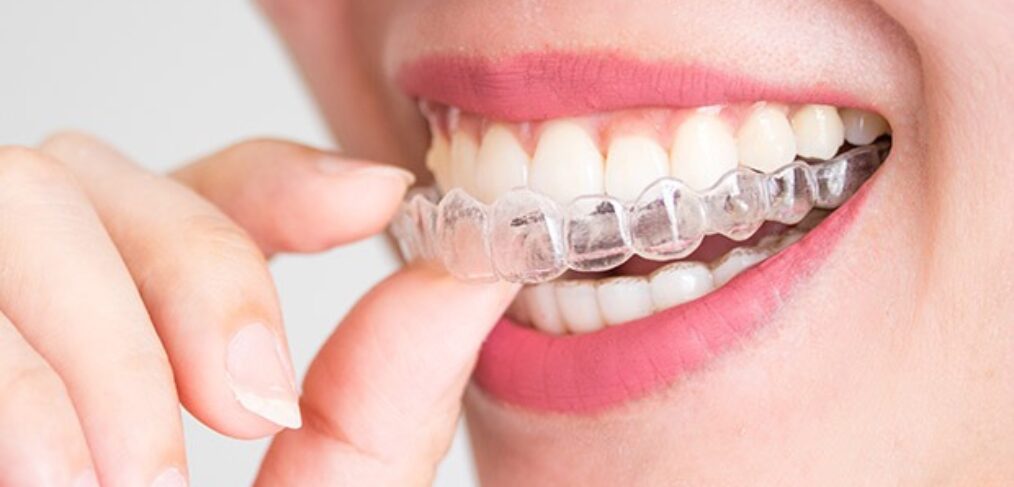
Invisalign: Clear aligners are virtually invisible, making them a discreet option that many teens and adults prefer.
If aesthetics are a top concern—like preparing for photos, events, or presentations, Invisalign has the upper hand.
2. Comfort and Lifestyle
-
Braces: The wires and brackets can sometimes cause irritation inside the mouth and may feel uncomfortable, especially after adjustments.
-
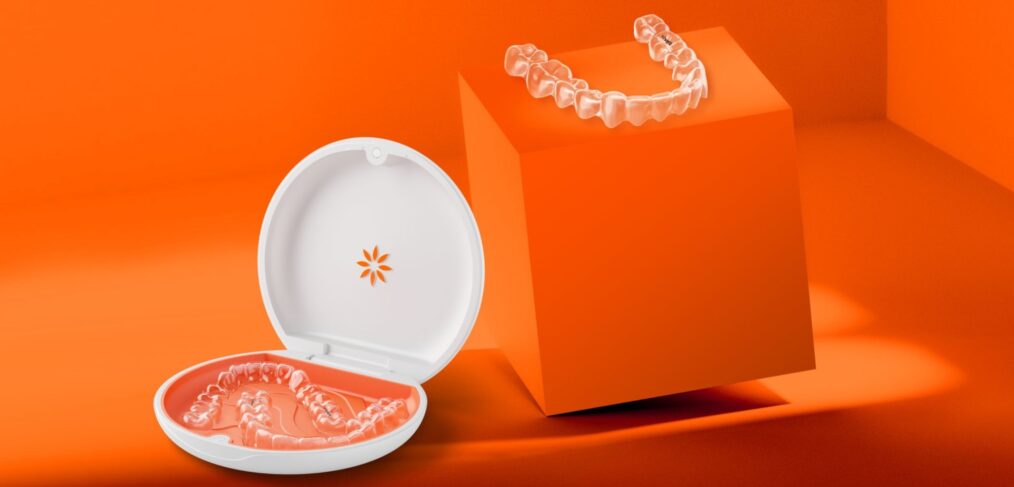
Invisalign: Smooth aligners fit snugly over teeth without sharp edges, and they can be removed when eating or brushing.
Dr. D explains: “For active kids and teens, Invisalign often means fewer emergencies, no broken brackets or poking wires.”
3. Eating and Food Restrictions
-
Braces: Sticky, hard, or chewy foods are usually off-limits because they can damage brackets and wires.
-
Invisalign: Since aligners are removable, you can eat all your favorite foods as long as you brush before putting them back in.
This makes Invisalign a huge win for families who don’t want to worry about a “do not eat” list.
4. Oral Hygiene and Care
-
Braces: Brushing and flossing can be tricky, as food often gets stuck in brackets and wires. Special tools may be needed to keep teeth clean.
-
Invisalign: Simply remove the aligners to brush and floss as usual, which helps maintain good oral hygiene throughout treatment.
Dr. D adds: “This is especially important for kids and teens, healthy gums and teeth during treatment mean healthier smiles for life.”
5. Checkups and Treatment Time
-
Braces: Regular orthodontic visits are needed for tightening and adjustments, typically every 4–6 weeks.
-
Invisalign: Fewer in-office visits are needed, since you switch aligners at home every 1–2 weeks. Check-ins are quick, and in some cases, virtual monitoring is possible.
While treatment length depends on each case, Invisalign often matches or even beats the time required for braces, especially when patients wear aligners as prescribed.
So, what’s the biggest practical difference between Invisalign and braces?
Flexibility. Invisalign gives you more freedom in your daily life, what you eat, how you clean your teeth, and how you feel when you smile.
Dr. D, with over 25 years of orthodontic expertise and international recognition as a Top Invisalign Provider, emphasizes that the best choice always depends on the patient’s unique needs and lifestyle.
At Bee Cave Orthodontics, the focus is on creating a treatment plan that fits seamlessly into each patient’s life.
Schedule a Free Consultation now!
Ready to find out which option is best for you or your child? Book a free consultation with Dr. D at Bee Cave Orthodontics today.
With gentle care, smart technology, and trusted expertise, Dr. D will help you make the right choice for a healthier, more confident smile.
Schedule a Free Consultation with Dr. D now.
Want to get to know us a little better? Check out our YouTube Videos!