Is It a Cavity

Is It a Cavity or Just a Toothache? How to Tell When It’s Time to See the Dentist

Is It a Cavity? Wondering if you or your child has a cavity? Learn the signs, prevention tips, and when to see the dentist – Bee Cave Orthodontics  – Austin, TX

Tooth discomfort can happen to anyone, adults and children alike. Sometimes the cause is obvious, but other times the signs are subtle and easy to miss. If you’ve recently wondered, “Is this a cavity?” you’re not alone. Cavities remain one of the most common dental concerns across all ages, and the earlier they are detected, the easier they are to treat.

As a board-certified pediatric and orthodontic specialist in Austin, Dr. Da Silveira sees children every day who show early signs of tooth decay long before any pain begins. Here is how you can recognize the first symptoms and understand when to schedule a dental checkup.

What Exactly Is a Cavity?

A cavity forms when bacteria damage the tooth enamel. This usually happens when sugars and carbohydrates are left on the teeth, feeding bacteria that create acids. Over time, those acids create a small hole in the tooth that gradually becomes larger and deeper.

If cavities are not treated, they can progress to serious problems including infections, tooth fractures, and the need for more complex dental treatment. Early diagnosis is the key to avoiding discomfort and preventing bigger issues later.

Early Warning Signs of a Cavity

Cavities often begin silently, but there are several signs worth paying attention to:

• Spots on teeth that appear chalky white, brown, or dark
• Sensitivity to cold foods, sweet foods, or toothbrushing
• Pain or discomfort when chewing
• Persistent bad breath or unpleasant taste
• A rough surface on the tooth or a visible small hole
• Favoring one side of the mouth when chewing

Children may not always explain what they feel. If your child avoids brushing a specific tooth or area, that is an important signal.

When Pain Appears, the Cavity Is Usually Advanced

Pain means the decay may have reached the deeper layers of the tooth where the nerves are located. Toothaches that worsen at night, swelling near a tooth, sensitivity to warm foods, or sudden sharp pain are all reasons to schedule a dental visit as soon as possible.

Quick Home Checks for Parents

Consider these simple questions:

• Does one tooth hurt when biting something crunchy
• Does cold water cause a sharp reaction
• Is food consistently getting stuck in the same area
• Do teeth feel rough or fuzzy even after brushing

Two or more “yes” answers indicate you should schedule a checkup soon.

Preventing Cavities in Kids and Teens

Healthy habits make the biggest difference. Here are Dr. D’s prevention essentials:

  1. Brush twice a day using fluoride toothpaste

  2. Limit frequent snacking, especially sticky or sugary foods

  3. Encourage water instead of sugary drinks such as juice or sports beverages

  4. Ask your dentist about dental sealants for back teeth

  5. Visit your dentist regularly for preventative checkups

These steps protect enamel and help children develop lifelong oral hygiene habits.

Special Considerations for Patients in Orthodontic Treatment

Brackets, wires, and attachments create extra hiding places for plaque. This increases the risk of cavities if care isn’t consistent.

In orthodontic treatment, it is important to:

• Use an electric toothbrush whenever possible
• Brush after every meal, especially with Invisalign
• Add a fluoride mouth rinse if recommended by your provider

Dr. D monitors hygiene during orthodontic treatment to keep smiles healthy throughout the process.

Bee Cave Orthodontics Is Here to Help Protect Your Smile

You do not have to wait for pain to take action. Small cavities are easier, faster, and less costly to treat. Dr. D and our team focus on early detection, helping children brush better, and supporting families with comfortable and positive visits, especially for little ones who feel nervous or overstimulated in dental environments.

Schedule a Free Consultation with Dr. D now. Our team will evaluate any suspicious spots, review brushing habits, and give you peace of mind about your child’s smile.

We proudly care for families in Bee Cave, Austin, Lakeway, and surrounding communities.

Want to get to know us a little better? Check out our YouTube Videos!
Clean My Retainers

What’s the Best Way to Clean My Retainers?

What is the best way to clean my retainers, including Invisalign aligners. Learn expert tips for maintaining hygiene, avoiding stains, and extending their lifespan – Bee Cave Orthodontics – Austin, Texas

If you’ve recently completed orthodontic treatment or are using a clear aligner system like Invisalign, retainers are your new best friends. These devices are essential for maintaining your beautiful smile, keeping your teeth in place, and ensuring all the hard work during treatment wasn’t in vain. But how do you care for them? Proper cleaning is crucial to prevent discoloration, bad odors, and bacterial buildup. Let’s explore the best ways to clean your retainers and keep them fresh and effective.


Why Cleaning Your Retainer Matters

Retainers sit directly against your teeth and gums, making them magnets for bacteria, plaque, and tartar. Without regular cleaning, they can:

  • Develop an unpleasant smell or taste.
  • Accumulate stains, making them less transparent.
  • Increase the risk of gum irritation or even infections.

Whether you use a fixed retainer, traditional wire and acrylic retainers, or Invisalign aligners, a clean retainer ensures your oral health and hygiene remain top-notch.


Best Methods to Clean Retainers

Here’s a step-by-step guide to keep your retainers spotless:

1. Rinse Your Retainer Frequently

Make it a habit to rinse your retainer every time you remove it. Use lukewarm water to rinse off saliva and debris. Avoid hot water as it can warp retainers, especially clear plastic ones like Invisalign aligners.

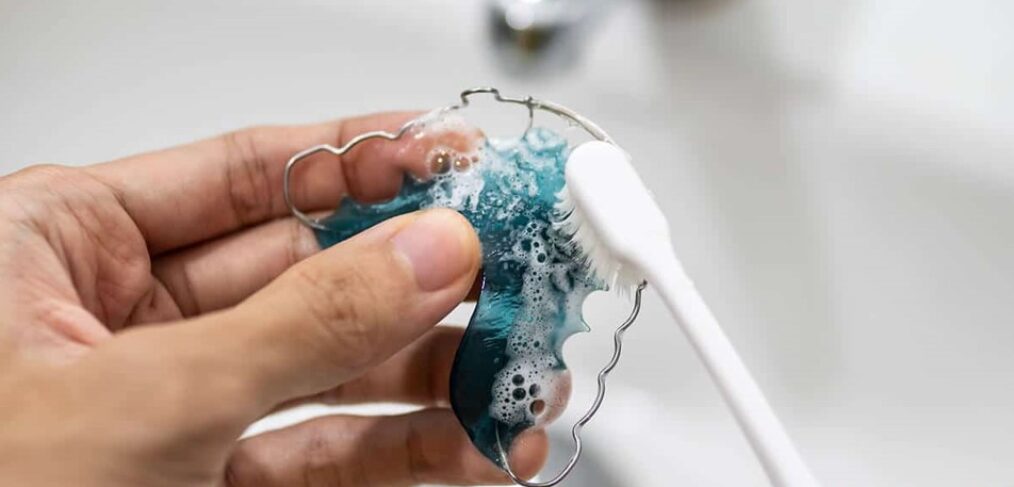
2. Brush Gently with Non-Abrasive Cleaner

Using a soft-bristle toothbrush, gently brush your retainer to remove plaque. Avoid toothpaste, as its abrasives can scratch the surface of clear retainers, making them cloudy. Instead, opt for:

  • Liquid dish soap: A mild soap diluted with water works well.
  • Specialized retainer cleaners: Products designed specifically for retainers or aligners are safe and effective.

3. Use Soaking Solutions

Soaking your retainer helps remove stubborn buildup. Here are some options:

  • Effervescent tablets: Orthodontic retainer cleaning tablets are widely available and simple to use. Drop one tablet into a glass of lukewarm water and soak your retainer for 15–20 minutes.
  • DIY vinegar solution: Mix equal parts white vinegar and water to create a natural disinfectant. Soak for 15 minutes, then rinse thoroughly.
  • Hydrogen peroxide mixture: For extra cleaning power, mix one part hydrogen peroxide with one part water.

4. Avoid Harsh Chemicals

Steer clear of bleach, alcohol-based cleaners, or harsh chemical solutions, as these can degrade the retainer material and harm your oral health.


Cleaning Invisalign Aligners

Invisalign aligners, like retainers, require special care. Since they’re clear and often worn for 20–22 hours a day, keeping them clean is crucial for maintaining their transparency and effectiveness.

  • Use the Invisalign Cleaning System: Invisalign offers a cleaning kit specifically designed for aligners. It effectively removes plaque and bacteria without damaging the material.
  • Avoid Staining Foods and Drinks: Remove your aligners when drinking coffee, tea, wine, or other staining beverages to prevent discoloration.
  • Don’t Forget to Brush: After eating, brush your teeth before reinserting your aligners to avoid trapping food particles.

What Not to Do

While keeping retainers clean is important, there are some common mistakes to avoid:

  • Don’t boil or microwave your retainer: High heat can distort the shape, making it ineffective.
  • Don’t skip cleaning: Even if your retainer looks clean, bacteria are invisible and need to be removed regularly.
  • Don’t use whitening toothpaste: These pastes can be abrasive and damage your retainer.

How Often Should You Clean Your Retainer?

  • Daily Cleaning: Rinse and brush your retainer every day to remove surface debris.
  • Weekly Soaking: Soak your retainer at least once a week for a deeper clean.

When to Replace Your Retainer

Even with proper care, retainers and aligners have a limited lifespan. Clear plastic retainers like Invisalign need to be replaced more frequently due to wear and tear, typically every 6–12 months. Acrylic retainers may last longer but still need replacement when they become warped or damaged.


Additional Tips for Maintaining Retainers

  1. Keep Your Retainer Case Handy: Always store your retainer in its case when not in use to protect it from damage or loss.
  2. Avoid Leaving It Out: Retainers left out can collect dust, bacteria, or even become a snack for pets.
  3. Schedule Regular Checkups: Your orthodontist can inspect your retainer during checkups and provide guidance on when to replace it.

Schedule a Free Consultation now!

Your retainer is your ticket to a lifetime of straight, beautiful teeth. By incorporating proper cleaning habits into your daily routine, you’ll not only extend the life of your retainer but also ensure your smile stays healthy and fresh.

Whether you use traditional retainers or Invisalign, remember: a little effort goes a long way. If you have questions or need guidance on retainer care, schedule a consultation with us today. Your smile deserves the best!

Want to get to know us a little better? Check out our YouTube Videos!