
Discover how orthodontics can treat sleep apnea in teens. Learn the signs, causes, and how treatments like Invisalign can help your child breathe, sleep, and feel better. – Bee Cave Orthodontics – Austin, Texas
When “Just Tired” Might Mean Something More
If your teenager constantly feels exhausted, moody, or struggles to focus, you might assume it’s just part of adolescence. Late-night studying, sports, social media, and hormones all take their toll.
But what if there’s another reason your teen wakes up tired even after a full night’s sleep?
Many parents are surprised to learn that sleep apnea affects thousands of teenagers.
It’s not just snoring, it’s a condition that quietly disrupts breathing during sleep, preventing proper rest and oxygen flow.
Over time, that lack of rest can affect everything: mood, academic performance, growth, and even mental health.
The good news is that orthodontics can play a major role in treating sleep apnea in teens. By addressing how the jaws and airways develop, orthodontists can help your child breathe more freely, sleep more deeply, and live more confidently.
1. Why Sleep Apnea in Teens Often Goes Undiagnosed
When we think of sleep apnea, we often imagine adults who snore loudly or stop breathing at night.
But sleep apnea in teenagers is more common than most parents realize and it can seriously affect their mood, focus, and growth.
During adolescence, the body and brain undergo rapid development.
Poor sleep quality caused by airway obstruction can lead to daytime fatigue, irritability, anxiety, and even poor academic performance.
Many parents mistake these symptoms for “typical teenage behavior,” when in fact, they may signal something deeper.
According to recent studies, up to 5% of teens may suffer from obstructive sleep apnea (OSA) and orthodontic treatment can often play a key role in addressing the root cause.
2. The Link Between Jaw Development and Breathing Problems
Sleep apnea in teens often stems from narrow jaws, crowded teeth, or improper tongue posture, which can restrict airflow during sleep. When the upper jaw (maxilla) is too small or the lower jaw sits too far back, the airway narrows, making it difficult for air to flow freely.
This is where orthodontics becomes more than a cosmetic treatment.
Orthodontists trained in airway-focused care, like Dr. Adriana Da Silveira, can identify these structural issues early and use advanced tools to guide jaw growth, open the airway, and restore natural breathing patterns.
These approaches not only improve sleep but can also help reduce anxiety, improve focus, and even enhance athletic performance in teens.
3. Orthodontic Solutions for Sleep Apnea
The good news? There are multiple orthodontic approaches that can improve or even eliminate teen sleep apnea, without invasive surgery.
Here are five orthodontic tools commonly used to support healthy breathing:
-
Palatal expanders: Gently widen the upper jaw to create more space for the tongue and open the airway.
-
Functional appliances: Help reposition the lower jaw to prevent airway collapse during sleep.
-
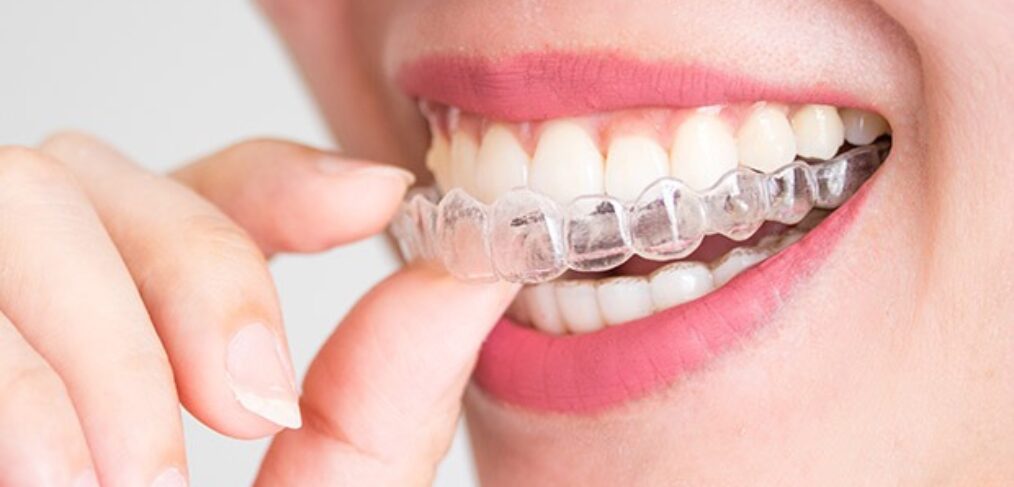
Clear aligners (like Invisalign Teen): In certain cases, aligners can help reposition teeth and support better jaw alignment.
-
Temporary Anchorage Devices (TADs): Allow precise tooth movement and support in expanding narrow arches.
-
Retainers and post-treatment guidance: Ensure long-term stability and healthy breathing after correction.
Each plan is customized to the teen’s anatomy and growth stage, making early diagnosis essential.
4. How Better Sleep Transforms Mental and Emotional Health
When teens start breathing better, everything changes.
Quality sleep restores hormonal balance, improves mood, and sharpens concentration. Many parents notice improvements not only in grades but also in their teen’s confidence and emotional regulation.
Sleep apnea is known to increase cortisol (the stress hormone), which can heighten anxiety and emotional instability.
By treating the airway issues behind poor sleep, orthodontics helps lower stress naturally, no medication needed.
As Dr. D often explains:
“When a teen starts sleeping better, you don’t just see straighter teeth, you see a brighter, calmer, more confident young person.”
5. Signs Parents Should Watch For
Because teens rarely complain about their own sleep, parents play a critical role in spotting warning signs.
Here are common red flags that may indicate a sleep or airway problem:
-
Snoring or noisy breathing at night
-
Waking up tired, despite a full night’s sleep
-
Mouth breathing (especially while asleep)
-
Dark circles under the eyes
-
Trouble focusing or signs of ADHD-like behavior
-
Clenching or grinding teeth
-
Anxiety, irritability, or mood swings
If any of these sound familiar, a sleep-focused orthodontic consultation is a great next step.
Modern orthodontists can work closely with pediatricians and sleep specialists to ensure a comprehensive diagnosis.
Straight Teeth, Strong Airway, Peaceful Sleep
Orthodontics is about more than creating a beautiful smile, it’s about building the foundation for lifelong health. For teens struggling with sleep apnea, early orthodontic care can prevent years of fatigue, stress, and emotional imbalance.
At Bee Cave Orthodontics, Dr. Adriana Da Silveira combines advanced orthodontic technology with a compassionate approach to help teens breathe, sleep, and thrive.
If your teen snores, struggles with anxiety, or seems constantly tired, don’t ignore the signs, help may be as simple as improving their smile.
👉 Schedule a Free Consultation with Dr. D now and discover how orthodontics can help your teen sleep better, smile brighter, and feel more like themselves again.
Want to get to know us a little better? Check out our YouTube Videos!