Custom Nightguards or Store-Bought

Custom Nightguards or Store-Bought: What’s Best for TMJ Relief?

Custom Nightguards or Store-Bought? Struggling with jaw pain or teeth grinding? Discover the key differences between custom or store-bought nightguards — and find out which one truly helps with TMJ relief. – Bee Cave Orthodontics – Austin, Texas

If you suffer from jaw pain, morning headaches, or hear clicking when you chew, you may be dealing with TMJ disorder (Temporomandibular Joint Disorder). One of the most common and effective treatments? A nightguard. But when it comes to choosing between custom nightguards and store-bought options, many patients feel overwhelmed. Let’s break down the key differences and help you decide what’s truly best for TMJ relief.

What Is TMJ and Why Nightguards Help

The temporomandibular joint connects your jawbone to your skull. When this joint is misaligned or stressed due to teeth grinding (bruxism), clenching, or trauma, it can lead to a variety of painful symptoms. Nightguards act as a cushion, absorbing the force from grinding and reducing muscle tension overnight.

But not all nightguards are created equal  and using the wrong type may actually make your TMJ symptoms worse.


1. Fit and Comfort: Custom Wins Hands Down

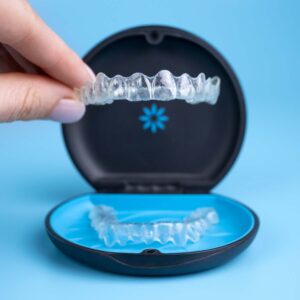
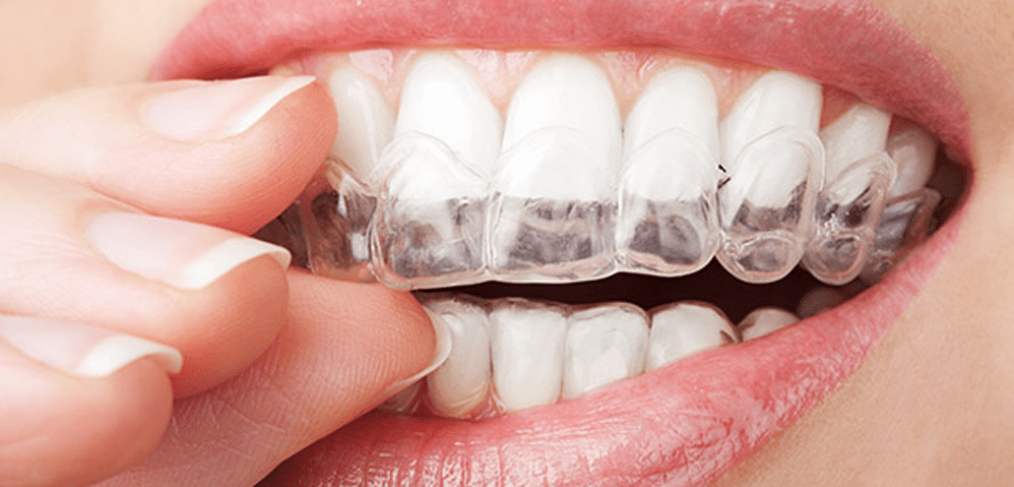
Custom nightguards are made from impressions of your teeth. This means they fit snugly and comfortably, reducing the risk of irritation or improper alignment. Store-bought guards, like the “boil-and-bite” versions, rely on a semi-adjustable mold that fits “close enough”  but when it comes to your jaw, “close enough” may not be good enough.

Poor fit can lead to:

  • Uneven bite pressure

  • More grinding or clenching

  • Jaw misalignment

  • Increased muscle soreness

Bottom line: A properly fitted nightguard can support your TMJ, not strain it further.


2. Effectiveness for TMJ Relief

When dealing with a complex condition like TMJ, customization is key. Dentists who specialize in TMJ disorders can create guards that take into account:

  • The way your jaw aligns when you sleep

  • Your bite and tooth contact points

  • Pressure distribution across your teeth

Store-bought nightguards are designed for general protection, not targeted relief. They may help with minor grinding but usually fall short in offering the precise support needed to alleviate TMJ-related pain.


3. Durability and Material Quality

Custom nightguards are made with high-grade dental materials meant to last 3 to 5 years with proper care. They’re designed to withstand constant grinding without breaking down or warping.

In contrast, store-bought options are typically made of cheaper plastic that may:

  • Wear down in just a few months

  • Soften or change shape over time

  • Absorb bacteria and odors more easily

This means you may end up replacing a store-bought guard multiple times per year, making it more expensive in the long run.


4. Cost Comparison: What’s the Real Investment?

At first glance, a store-bought nightguard priced between $20 and $50 may seem like a bargain compared to a custom guard, which typically costs between $300 and $800. But consider this:

  • Custom guards are made once and built to last.

  • Store-bought guards often need frequent replacements.

  • Using a poorly fitting guard can worsen TMJ, leading to additional treatment costs.

Also, many dental insurance plans now cover part of the cost of custom guards for TMJ therapy.


5. Professional Oversight Makes a Difference

Custom nightguards come with the added benefit of professional guidance. Your dentist or orthodontist can monitor your progress, adjust the fit, and ensure the guard is actually helping your TMJ.

When you go the DIY route, there’s no supervision. You won’t know if your symptoms are improving due to the guard or despite it — and there’s no one to turn to if things get worse.


So, What’s Best for TMJ Relief?

While store-bought nightguards may work in a pinch for mild grinding, custom nightguards are the gold standard for TMJ relief. They’re designed with your bite, alignment, and specific symptoms in mind, making them far more effective and comfortable over time.


Final Thoughts from Dr. D

At Bee Cave Orthodontics, we’ve helped hundreds of patients find real, lasting relief from TMJ symptoms with custom-designed nightguards. Especially for teens or individuals with neurodiverse needs, a custom fit makes all the difference in comfort and compliance.

If you or your child are experiencing jaw pain, clicking sounds, or constant clenching, don’t wait. A personalized solution may be just what your smile (and your sleep) need.


👉 Ready to feel better? 👉Schedule a Free Consultation with Dr. D now and ask about custom nightguards for TMJ relief.

Want to get to know us a little better? Check out our YouTube Videos!
Signs You Might Be Clenching Your Jaw

Top 5 Signs You Might Be Clenching Your Jaw: From Headaches to Worn Teeth

Signs You Might Be Clenching Your Jaw: Jaw pain, headaches, or worn teeth? Discover 5 telltale signs of jaw clenching and what you can do to protect your smile, especially if your child might be affected. – Bee Cave Orthodontics – Austin, Texas

Do you wake up with a sore jaw or a pounding headache? Has your child been complaining about jaw pain or sensitive teeth? These symptoms may be more than just daily discomfort — they could be signs of jaw clenching, also known as bruxism.

Jaw clenching is a common condition that affects both adults and children, often without them even realizing it.

Left untreated, it can lead to chronic pain, dental damage, and even misalignment of the jaw joint.

Here are the top five signs that you or your child might be clenching at night — and what to do about it.


1. Persistent Jaw Pain or Tightness

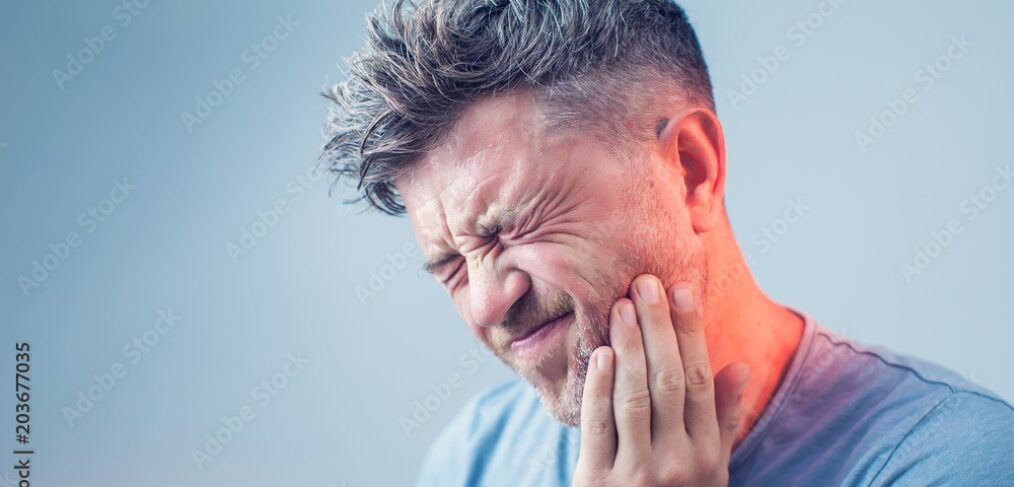
One of the most obvious signs of clenching is pain in the jaw, especially near the ears or along the jawline. This discomfort is often worse in the morning, as the muscles have been overworked overnight. Children might describe it as “soreness when chewing” or a “tired jaw.”


2. Frequent Headaches

Tension-type headaches — often felt in the temples or around the forehead — are common in people who clench their jaw. These headaches are caused by the overuse of jaw and facial muscles and may mimic migraines. If your child frequently wakes up with a headache or complains of facial pain, it’s worth checking for signs of clenching.


3. Worn or Flattened Teeth

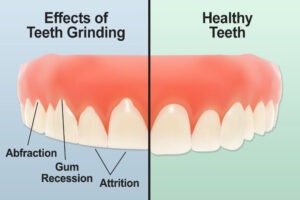
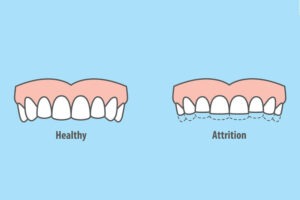
Over time, the pressure from grinding or clenching can wear down tooth enamel, making the teeth appear flat, short, or even chipped. In children, this might be harder to detect, but a pediatric dentist or orthodontist will often spot uneven wear patterns during a routine visit.


4. Tooth Sensitivity or Pain

Worn enamel exposes the sensitive dentin layer of the tooth, making hot or cold foods painful. If your child suddenly becomes sensitive to temperature or pressure when eating, jaw clenching may be the underlying cause. Painful chewing without any obvious cavity could be another clue.


5. Clicking or Popping Sounds in the Jaw

Clenching puts pressure on the temporomandibular joint (TMJ), which can result in popping, clicking, or even locking of the jaw. This can be especially alarming in children and teens, who may not be able to describe the sensation well. Any noises from the jaw joint should be evaluated by a professional.


What Causes Jaw Clenching?

Clenching and grinding are often linked to stress or anxiety, even in young children. Other contributing factors include:

  • Misaligned teeth or bite

  • Sleep disorders

  • ADHD or hyperactivity

  • Response to pain or discomfort

  • Side effects of certain medications


What Can You Do About It?

The first step is to schedule a consultation with an orthodontist or dentist, especially one experienced in treating children and teens. They may recommend:

  • A custom night guard to protect the teeth during sleep

  • Relaxation techniques or stress-reducing habits

  • Orthodontic treatment to correct bite misalignment

  • Addressing sleep quality or breathing issues, especially in kids with large tonsils or sleep apnea symptoms


When to See a Specialist

If your child shows two or more of the signs listed above, it’s time to take action. Early intervention can prevent years of discomfort and damage. Dr. D and our team are specially trained to recognize and treat signs of bruxism in children, teens, and adults alike — with gentle, personalized care.


🦷 Take the First Step Toward Relief

If you or your child is experiencing jaw pain, headaches, or worn teeth, don’t wait. Let’s find out what’s going on — and fix it before it gets worse.

👉Schedule a Free Consultation with Dr. D now

Want to get to know us a little better? Check out our YouTube Videos!
Understanding Bruxism: Effects on Bite and How Orthodontic Treatment Can Help Introduction

Teeth grinding, or bruxism, is a common condition that affects people of all ages. It can have a significant impact on oral health, including the alignment of the teeth and the overall bite. In this blog post, we will explore the effects of bruxism on the bite and discuss how orthodontic treatment can help alleviate these issues.

What is Bruxism?
Bruxism is the medical term for grinding, gnashing, or clenching your teeth. It can occur during the day, but it is more common at night during sleep, known as sleep bruxism. This condition affects both children and adults and can lead to various complications if left untreated.

Bee Cave Orthodontics Invisalign for adults and kids in Austin

Causes of Bruxism
While the exact causes of bruxism are not fully understood, several factors may contribute to the development of this condition:

  1. Stress and Anxiety: Stress and anxiety are considered primary triggers for bruxism, especially during sleep. Grinding or clenching the teeth may be a subconscious response to stress, leading to bruxism episodes.
  2. Malocclusion: Malocclusion, or the misalignment of the teeth, can be a contributing factor to bruxism. The irregular positioning of the teeth can lead to improper alignment of the jaw, resulting in grinding or clenching.
  3. Sleep Disorders: Bruxism is often associated with sleep disorders such as sleep apnea. People with sleep apnea may grind their teeth as a way to open their airway during sleep, leading to bruxism episodes.
  4. Lifestyle Factors: Certain lifestyle factors such as smoking, excessive alcohol consumption, and the use of recreational drugs can increase the likelihood of bruxism.
  5. Medications: Some medications, such as certain antidepressants, can cause bruxism as a side effect. It is essential to discuss any potential side effects of medications with your healthcare provider.
  6. Genetics: There may be a genetic component to bruxism, as it tends to run in families. If a close family member has bruxism, you may be more likely to develop the condition.
  7. Other Medical Conditions: Bruxism can also be associated with other medical conditions such as Parkinson’s disease, Huntington’s disease, and gastroesophageal reflux disorder (GERD).

Effects of Bruxism on Bite

Bee Cave Orthodontics Invisalign for adults and kids in Austin

  1. Misalignment of Teeth: Bruxism can cause the teeth to wear down unevenly, leading to changes in the alignment of the teeth. This misalignment can affect the bite, causing discomfort and difficulty in chewing.
  2. Overbite or Underbite: In some cases, bruxism can contribute to the development of an overbite or underbite. An overbite occurs when the upper front teeth overlap significantly with the lower front teeth, while an underbite occurs when the lower front teeth protrude past the upper front teeth.
  3. Temporomandibular Joint (TMJ) Disorders: The excessive pressure exerted on the jaw joints during bruxism can lead to TMJ disorders. These disorders can cause pain and discomfort in the jaw joint and surrounding muscles, affecting the overall bite and jaw movement.

Orthodontic Treatment for Bruxism

Bee Cave Orthodontics Invisalign for adults and kids in Austin
Orthodontic treatment can help address the effects of bruxism on the bite and overall oral health. Here are some common orthodontic interventions for bruxism:

  1. Braces or Invisalign can be used to correct misalignment of the teeth caused by bruxism. By gradually moving the teeth into their proper positions, braces or Invisalign can improve the bite and alleviate discomfort caused by uneven wear.
  2. Retainers: Retainers are often used after braces to maintain the alignment of the teeth. They can also help protect the teeth from further damage due to bruxism by providing a barrier between the upper and lower teeth.
  3. Occlusal Splints: An occlusal splint is a custom-made mouthguard that is worn at night to protect the teeth from the effects of bruxism. It can help reduce grinding and clenching, leading to improved bite and less strain on the jaw joints. It can be worn during the day or the night, which they are often refer as night guards.
  4. Bite Adjustment: In some cases, orthodontists may recommend bite adjustment to correct bite problems caused by bruxism. This may involve reshaping the teeth or using orthodontic appliances to improve the alignment of the bite.

Bruxism can have a significant impact on the bite and overall oral health if left untreated. Orthodontic treatment can help address the effects of bruxism by correcting misalignment, improving the bite, and reducing the risk of TMJ disorders. If you suspect that you or your child may be grinding their teeth, it is important to consult with an orthodontist for a proper evaluation and treatment plan.

How to treat bruxism with Invisalign:

With over 25 years of experience as an orthodontist and 17 in Austin as Chief of Orthodontics at Dell Children’s Hospital, Dr. Adriana Da Silveira is a trusted expert in the field of orthodontics, renowned for her Invisalign expertise in treating even the most challenging cases. Dr. Da Silveira, in addition to her role at Bee Cave Ortho, has served as the Chief of Orthodontics at the Dell Medical Center for 15 years. Her advocacy for Invisalign has taken her to numerous national and international platforms, including the AAO annual meeting and the Invisalign Ortho Summit. Her dedication to ongoing education and research ensures that Bee Cave Orthodontics remains at the forefront of advancements in treatment, technology, and care approaches.

Bruxism and orthodontic treatment options: I
nvisalign treatment can make a difference in mitigating the effects of teeth grinding and Bruxism. Our night guards also make a excellent orthodontic solutions for bruxism and bite alignment. Book a free consultation at beecaveortho.com