
Custom Nightguards or Store-Bought? Struggling with jaw pain or teeth grinding? Discover the key differences between custom or store-bought nightguards — and find out which one truly helps with TMJ relief. – Bee Cave Orthodontics – Austin, Texas
If you suffer from jaw pain, morning headaches, or hear clicking when you chew, you may be dealing with TMJ disorder (Temporomandibular Joint Disorder). One of the most common and effective treatments? A nightguard. But when it comes to choosing between custom nightguards and store-bought options, many patients feel overwhelmed. Let’s break down the key differences and help you decide what’s truly best for TMJ relief.
What Is TMJ and Why Nightguards Help
The temporomandibular joint connects your jawbone to your skull. When this joint is misaligned or stressed due to teeth grinding (bruxism), clenching, or trauma, it can lead to a variety of painful symptoms. Nightguards act as a cushion, absorbing the force from grinding and reducing muscle tension overnight.
But not all nightguards are created equal and using the wrong type may actually make your TMJ symptoms worse.
1. Fit and Comfort: Custom Wins Hands Down
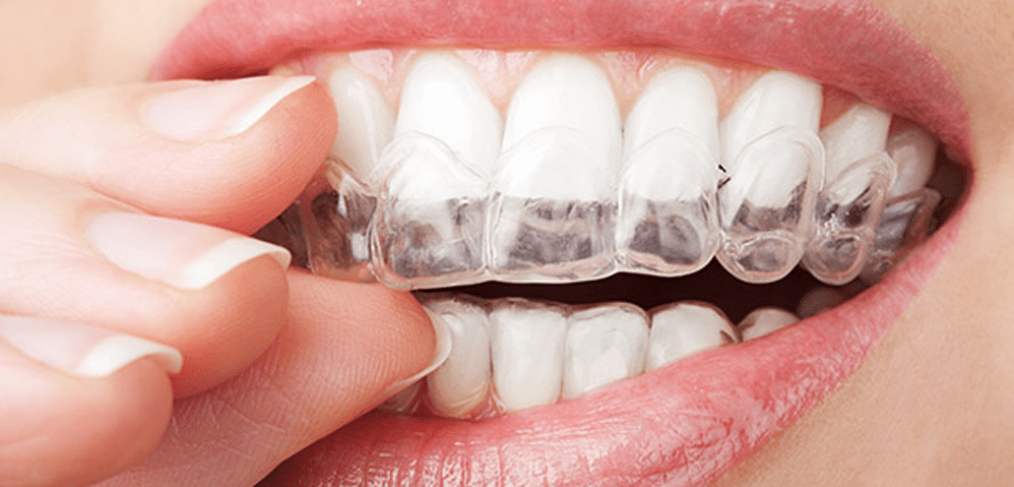
Custom nightguards are made from impressions of your teeth. This means they fit snugly and comfortably, reducing the risk of irritation or improper alignment. Store-bought guards, like the “boil-and-bite” versions, rely on a semi-adjustable mold that fits “close enough” but when it comes to your jaw, “close enough” may not be good enough.
Poor fit can lead to:
-
Uneven bite pressure
-
More grinding or clenching
-
Jaw misalignment
-
Increased muscle soreness
Bottom line: A properly fitted nightguard can support your TMJ, not strain it further.
2. Effectiveness for TMJ Relief
When dealing with a complex condition like TMJ, customization is key. Dentists who specialize in TMJ disorders can create guards that take into account:
-
The way your jaw aligns when you sleep
-
Your bite and tooth contact points
-
Pressure distribution across your teeth
Store-bought nightguards are designed for general protection, not targeted relief. They may help with minor grinding but usually fall short in offering the precise support needed to alleviate TMJ-related pain.
3. Durability and Material Quality
Custom nightguards are made with high-grade dental materials meant to last 3 to 5 years with proper care. They’re designed to withstand constant grinding without breaking down or warping.
In contrast, store-bought options are typically made of cheaper plastic that may:
-
Wear down in just a few months
-
Soften or change shape over time
-
Absorb bacteria and odors more easily
This means you may end up replacing a store-bought guard multiple times per year, making it more expensive in the long run.
4. Cost Comparison: What’s the Real Investment?
At first glance, a store-bought nightguard priced between $20 and $50 may seem like a bargain compared to a custom guard, which typically costs between $300 and $800. But consider this:
-
Custom guards are made once and built to last.
-
Store-bought guards often need frequent replacements.
-
Using a poorly fitting guard can worsen TMJ, leading to additional treatment costs.
Also, many dental insurance plans now cover part of the cost of custom guards for TMJ therapy.
5. Professional Oversight Makes a Difference
Custom nightguards come with the added benefit of professional guidance. Your dentist or orthodontist can monitor your progress, adjust the fit, and ensure the guard is actually helping your TMJ.
When you go the DIY route, there’s no supervision. You won’t know if your symptoms are improving due to the guard or despite it — and there’s no one to turn to if things get worse.
So, What’s Best for TMJ Relief?
While store-bought nightguards may work in a pinch for mild grinding, custom nightguards are the gold standard for TMJ relief. They’re designed with your bite, alignment, and specific symptoms in mind, making them far more effective and comfortable over time.
Final Thoughts from Dr. D
At Bee Cave Orthodontics, we’ve helped hundreds of patients find real, lasting relief from TMJ symptoms with custom-designed nightguards. Especially for teens or individuals with neurodiverse needs, a custom fit makes all the difference in comfort and compliance.
If you or your child are experiencing jaw pain, clicking sounds, or constant clenching, don’t wait. A personalized solution may be just what your smile (and your sleep) need.
👉 Ready to feel better? 👉Schedule a Free Consultation with Dr. D now and ask about custom nightguards for TMJ relief.
Want to get to know us a little better? Check out our YouTube Videos!